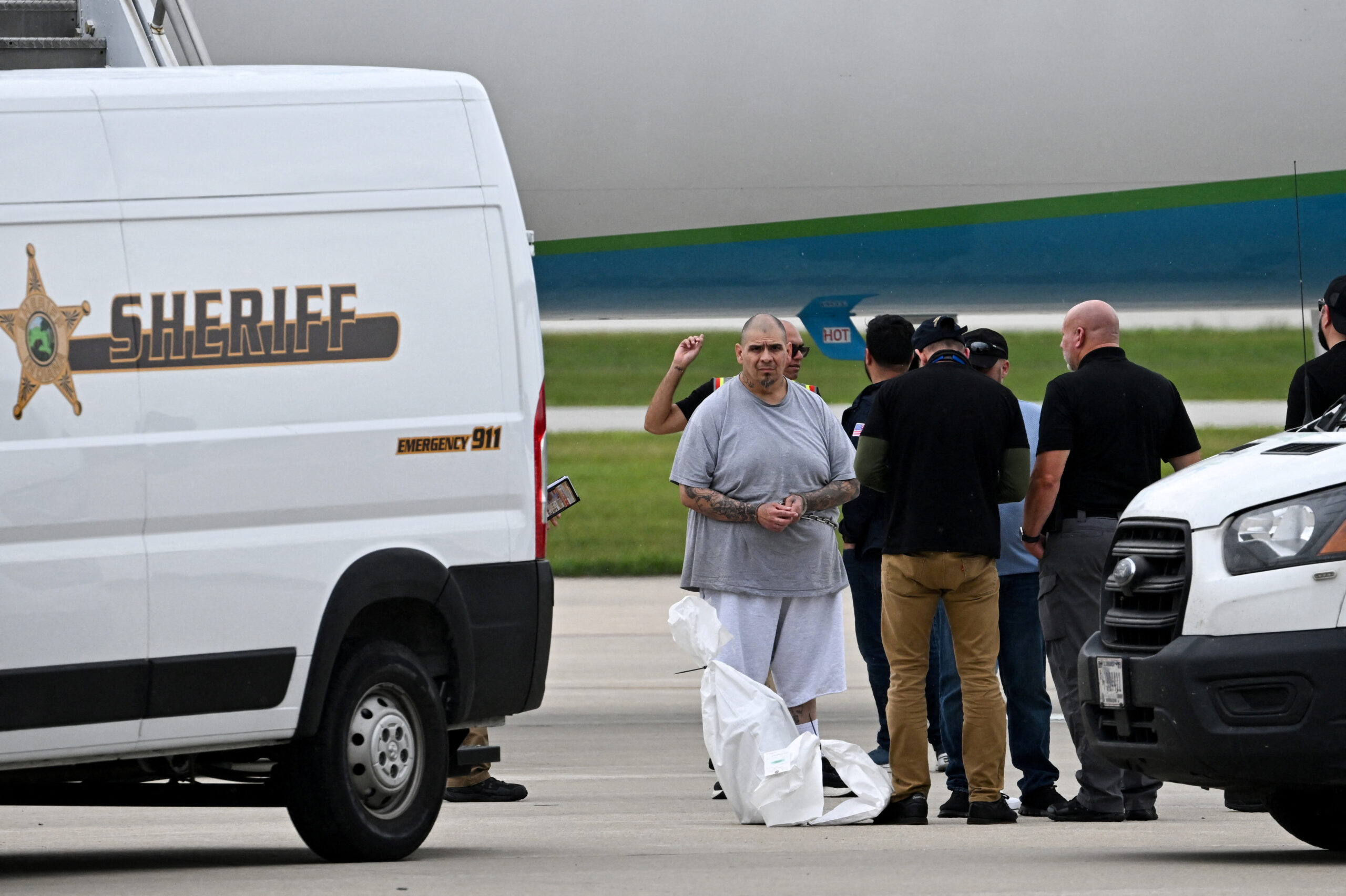
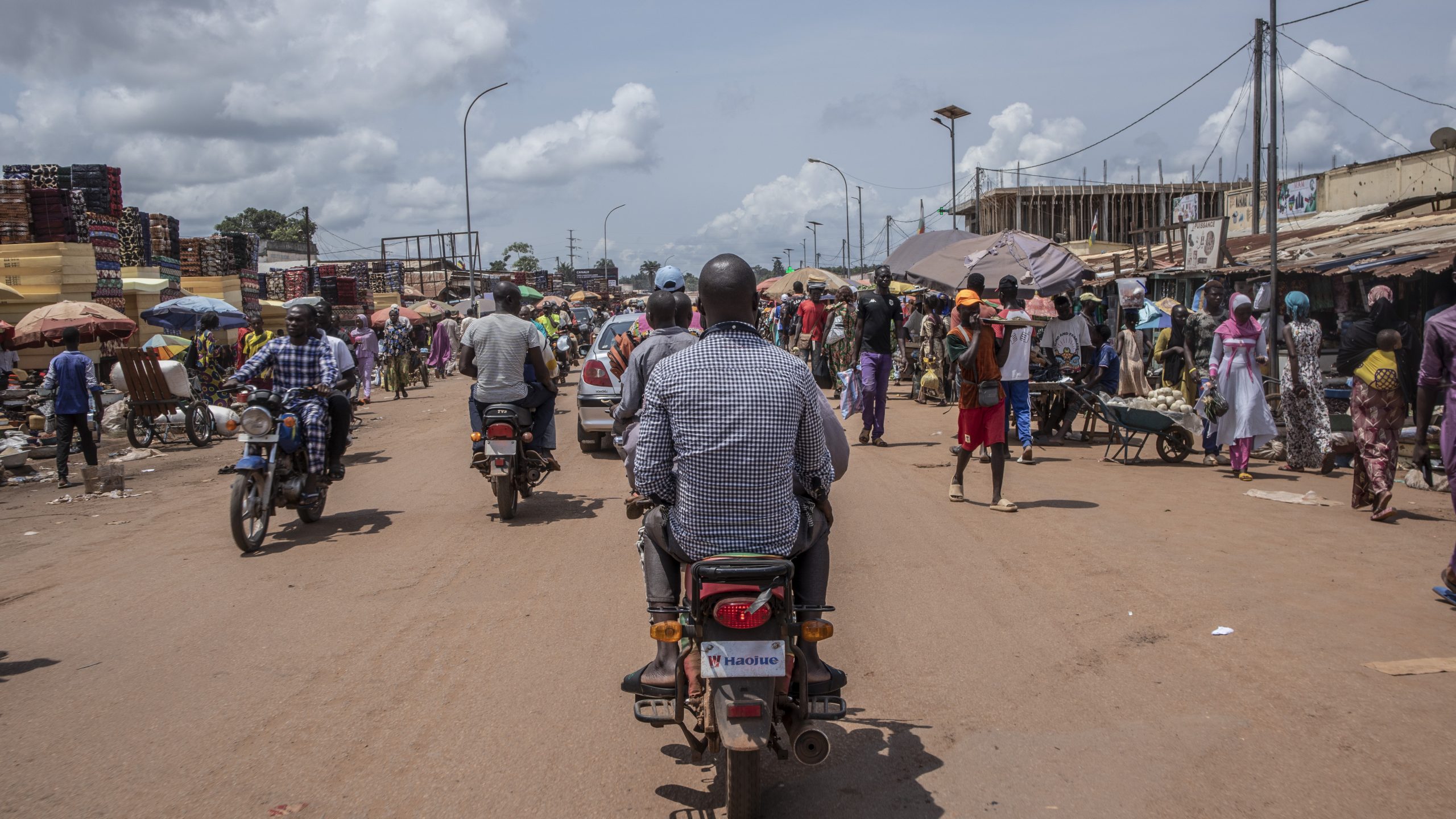
The United States deported an Iranian pro-democracy activist to the Central African Republic on Thursday night. The activist was the sole passenger on a flight that departed from Louisiana. This specific flight, carrying only one individual, shows the focused nature of this particular deportation. The activist's removal from the U.S. Has drawn significant attention due to the circumstances surrounding the transfer and the geopolitical context.
Broader Deportation Risks
The Iranian American Legal Defense Fund (IALDF) reported on Thursday that three Iranian women, also seeking refuge from persecution, faced potential deportation from the United States. These women, like the deported activist, were seeking asylum or protection within the U.S. Legal system. Among the women at risk, one had converted to Christianity, according to the IALDF, a detail that often carries heightened risks of persecution in certain countries. The IALDF’s statement on Thursday noted broader concerns about the vulnerability of Iranian asylum seekers in the U.S. Separately, an official familiar with the matter informed Reuters on Thursday that the flight carrying the Iranian activist was originally anticipated to transport approximately 20 individuals, including Syrian and Afghan nationals. This suggests a last-minute change in the manifest, resulting in the Iranian activist being the sole passenger on the flight. The potential deportation of other nationalities further illustrates the U.S. Government's ongoing efforts to deport individuals deemed inadmissible or to have exhausted their legal avenues for remaining in the country.
Third-Country Deportation Deals
Ghana and the Central African Republic have signed agreements with the Trump administration to accept deportees from third countries, according to reports. This arrangement allows the United States to deport individuals who are not citizens of Ghana or the Central African Republic to those nations. These agreements are part of a broader strategy employed by the U.S. Government to manage immigration flows and facilitate the removal of non-citizens.
Under the deal, hundreds of migrants could ultimately face deportation to the Central African Republic. The agreements represent a strategy by the U.S. Government to manage migrant populations by facilitating their removal to nations other than their country of origin or the United States. This practice of third-country deportation has been a point of contention among human rights advocates and legal experts.
A federal court in California vacated a rule in May that required asylum seekers to first apply for protection in transit countries. This legal development impacts the broader framework governing asylum claims and deportation procedures for individuals seeking refuge in the United States, potentially altering the pathways available to those fleeing persecution. The vacating of this rule could have significant implications for future asylum policy and deportation strategies.
Lawyer's Urgent Warning
The activist's lawyer, Emily Trostle, characterized the transfer as "super dangerous." Trostle's warning showed concerns regarding the safety implications of the individual's deportation to the Central African Republic. The plane carrying the activist was expected to travel to Bangui, the capital of the Central African Republic, following a stopover in Accra, Ghana. This route notes the logistical complexities and the multi-country involvement in the deportation process, as well as the distances involved in these third-country transfers. The lawyer's assessment signals potential risks for the activist after arrival in the Central African Republic, a nation that has agreements with the United States to accept deportees from third countries. The "super dangerous" characterization by Emily Trostle reflects profound concerns about the activist's well-being and potential exposure to harm in a country far from their origin and where they have no ties.
Geopolitical Context
The deportation of the Iranian activist occurred after the United States and Israel initiated heavy strikes on Iran in late February, marking the beginning of a three-month war. This military action unfolded in a period of heightened tensions involving the region, creating a volatile backdrop for any actions involving Iranian nationals. The broader geopolitical landscape surrounding Iran has been characterized by significant international engagement and conflict, with the U.S. And Israel often playing key roles. The specific timing of the activist's deportation coincided with these intensified hostilities, adding a layer of complexity to the situation and raising questions about the implications for individuals with ties to Iran. The strategic relationship between the U.S. And Israel regarding Iran has been a subject of ongoing international focus, with military actions often leading to ripple effects across various domains, including immigration and human rights.