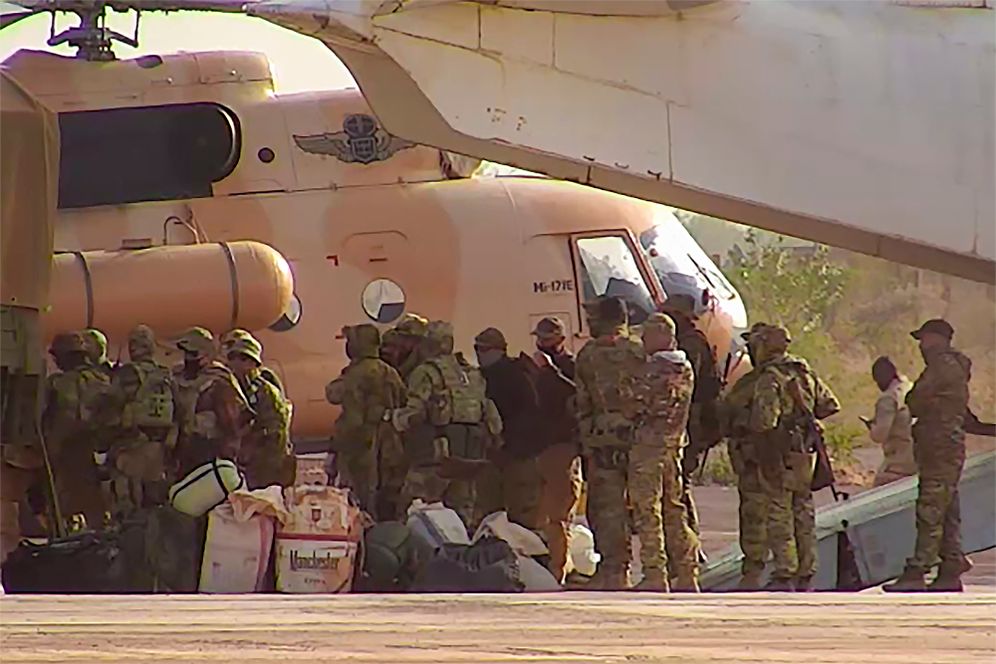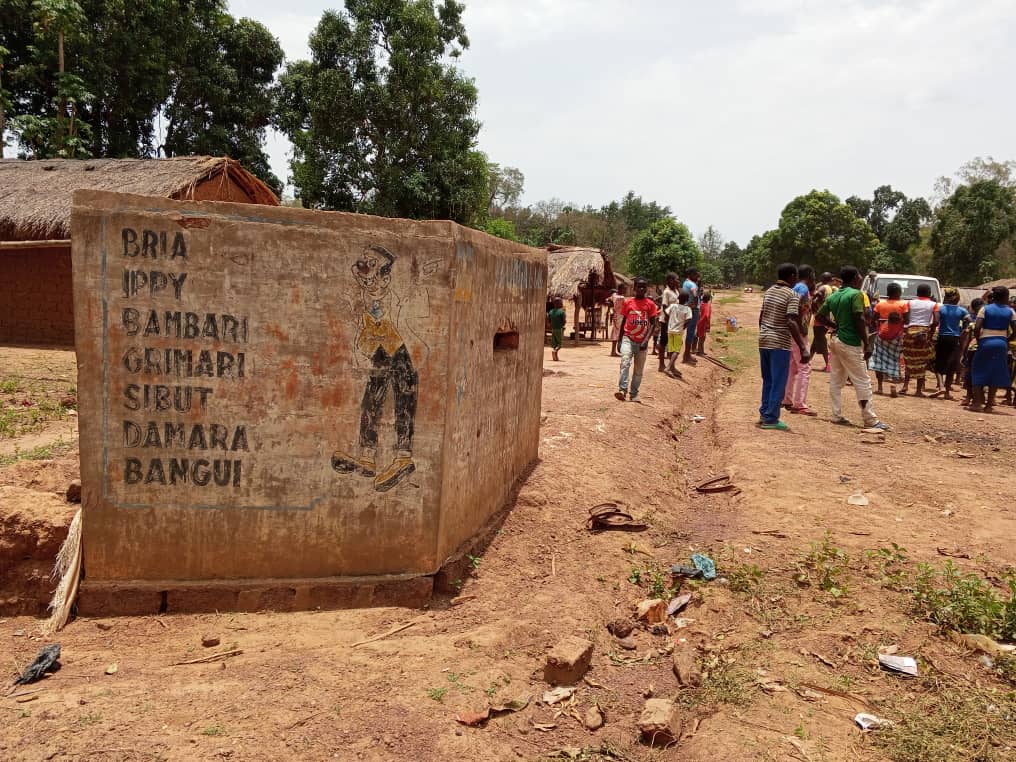
Dmitri Sitiy, a representative for the Wagner group, recently stated that the organization and the Central African state operate "in the same team," according to an article analysis. Sitiy's comments, including "On travaille dans la même équipe," came amid observations that the direction of Central African affairs is now determined within an alliance subject to the Kremlin's interests, with Wagner at the core of the state apparatus in Bangui. The article explicitly concludes that the direction of Central African affairs is now decided within an alliance subject to the Kremlin's interests, with the Wagner group positioned at the heart of the state apparatus. Despite Sitiy's assertion that "toutes les décisions sont prises par la partie centrafricaine" and that no outside entity has "aucun moyen d’imposer son point de vue," the analysis suggests a significant Russian influence.
Sitiy's Contradictory Remarks
Dmitri Sitiy, a Wagner representative, asserted that "all decisions are made by the Central African side" and maintained that he would have "no way to impose his point of view." These statements highlight a perceived independence of the Central African authorities in decision-making processes. Despite these declarations, the article claims Sitiy's subsequent remarks describe a governance system where the mercenary leader dictates the course of action. This apparent contradiction forms a central point of the analysis, showing the complexities of the relationship between Wagner and the Central African government. Sitiy's earlier statement, "On travaille dans la même équipe," translated as "we work in the same team," has been analyzed as implying Russia's significant influence. The analysis suggests that while Sitiy claimed no outside entity has "aucun moyen d’imposer son point de vue," his further comments contradicted this, indicating a system where Wagner exerts substantial control over Central African affairs. The article points out that these conflicting statements from Sitiy reveal a nuanced reality where official declarations of sovereignty are juxtaposed with evidence of external direction.
Wagner's Direct Security Role
The article states that the Wagner group finances and directly supervises the disarmament and cantonment of ex-combatants in the Central African Republic. This supervision includes the provision of logistical, sanitary, and food assistance to those involved in the disarmament process. This hands-on approach by the mercenary group extends beyond mere advisory roles, encompassing the practical implementation and management of critical security programs. The direct involvement in such sensitive operations notes the depth of Wagner's integration into the country's security infrastructure.
The article presents this direct management of security policy by the Wagner group as evidence of "direct piloting of entire sectors of the country's security policy." This involvement extends to critical areas traditionally managed by state institutions, indicating a significant and hands-on role for Wagner in the nation's security architecture. This direct piloting suggests that Wagner is not merely supporting but actively directing key components of the Central African Republic's security strategy, a role typically reserved for sovereign government bodies.
Implications for Governance
The article interprets Dmitri Sitiy's statement as a direct admission of co-management of power at the highest level of the Central African state. This interpretation suggests that the Wagner group, through Sitiy's remarks, acknowledges a shared governance role within the country. The analysis indicates that critical decisions affecting the nation are made jointly between the Central African authorities and Wagner representatives. Such an arrangement implies a significant departure from traditional state sovereignty, with an external, private military entity participating in core governmental functions. The direct involvement of Wagner in such high-level decision-making suggests a deep integration of the group into the Central African Republic's political and administrative structures. This co-management model, as inferred from Sitiy's comments, raises questions about the true extent of Central African autonomy and the influence wielded by external actors in the nation's strategic direction.