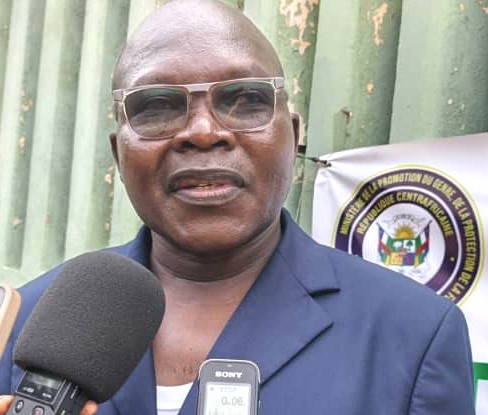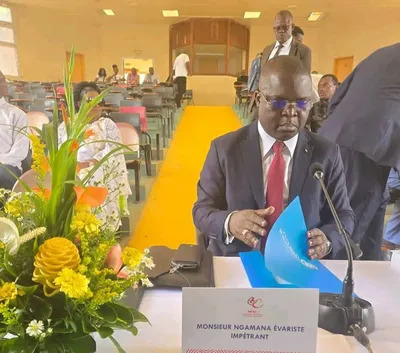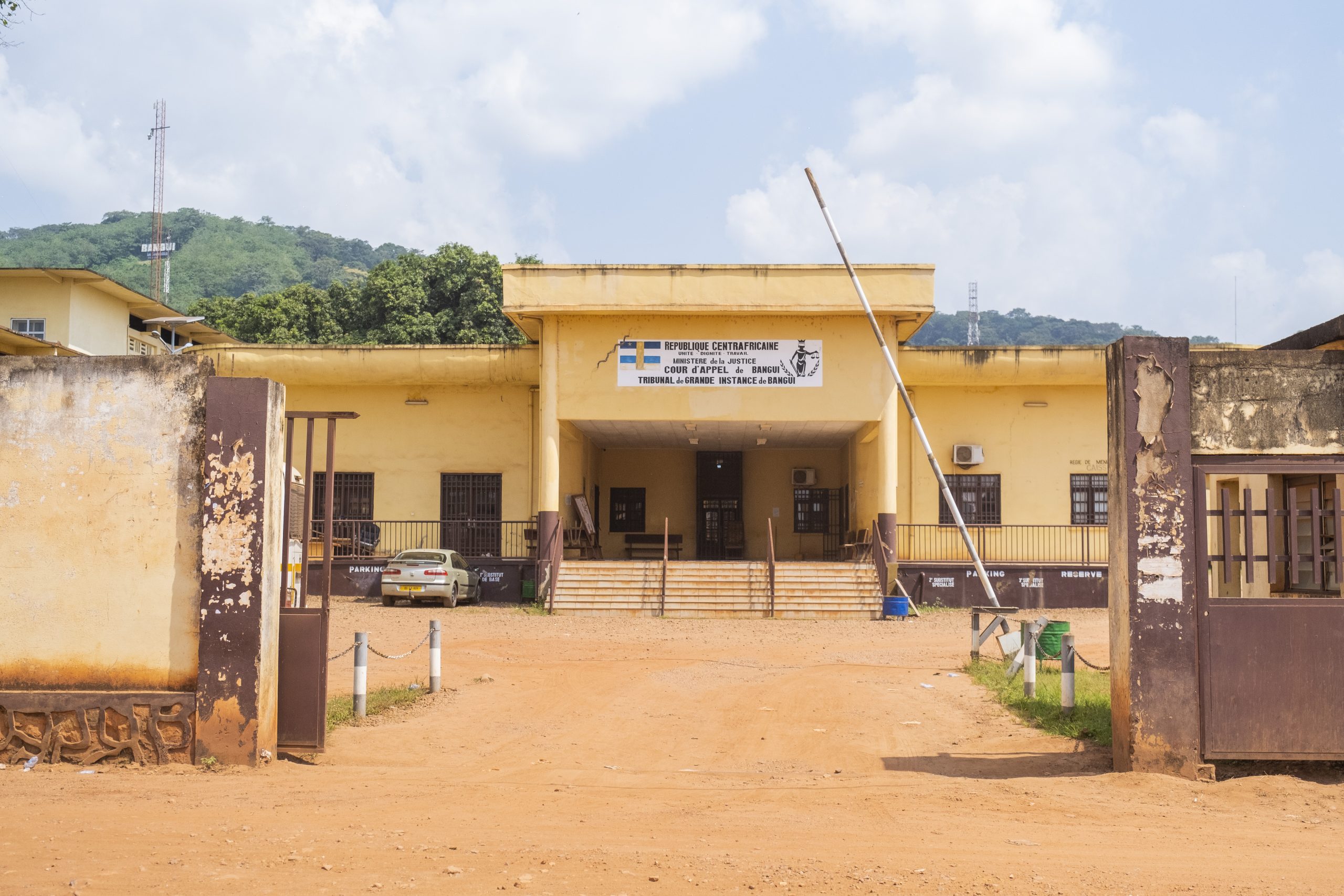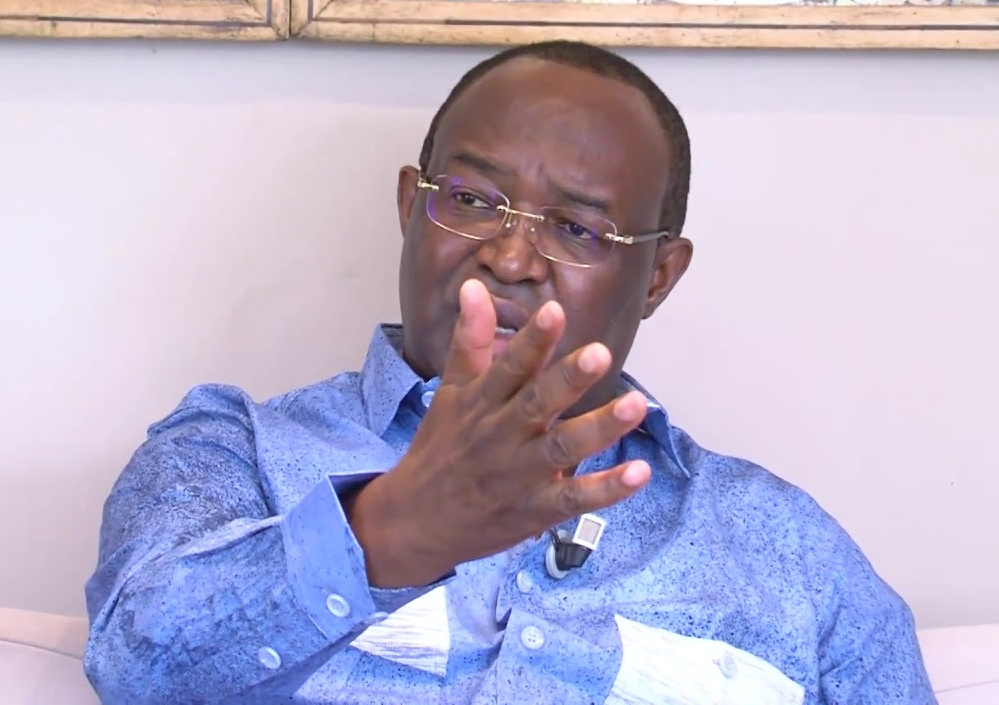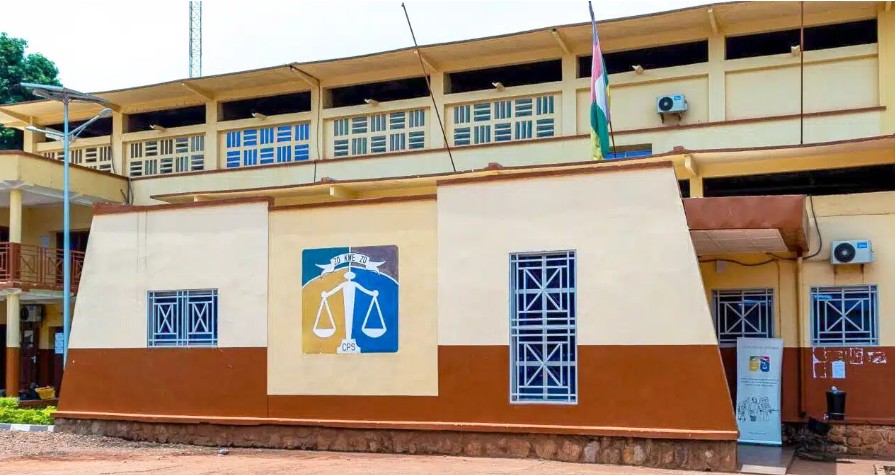
Witness Bienvenu Ngaro testified before the Cour pénale spéciale (CPS) on August 27, claiming former president François Bozizé directly ordered his imprisonment. Ngaro's detention followed a fire at the Rayan supermarket in the Bossembélé affair. This significant testimony was reported on August 28, 2026, shedding new light on the ongoing legal proceedings. During an audience held on August 27, Mr. Ngaro presented his account to the Cour pénale spéciale, detailing the circumstances that led to his incarceration. He explicitly stated that the order for his imprisonment came directly from former president François Bozizé, following the incident at the Rayan supermarket.
Details of Detention and Charges
Bienvenu Ngaro testified he experienced no violence from Vianney Semndiro while detained at the Bossembélé military center. Ngaro stated that, during his detention, individuals held there had the opportunity to receive visits, indicating a certain level of access for detainees. He also confirmed that he never encountered former president François Bozizé at any point during his period of incarceration, despite his claim that Bozizé ordered his arrest. Ngaro stated he neither saw nor heard any mention of Charles Massy, Firmin Junior Danboy, or Eugène Ngaïkosset during his time in detention at the military center. His testimony focused on the conditions and circumstances of his own confinement, offering specific details regarding interactions and individuals present or absent from his experience. The witness's account provided a personal perspective on the daily life within the detention facility, emphasizing the lack of direct interaction with the prominent figures implicated in the broader affair. He maintained that despite the alleged direct order from Bozizé, their paths never crossed during his time in custody.
Context of the Bossembélé Affair
The Bossembélé affair reportedly involves former president François Bozizé, Firmin Junior Danboy, Eugène Ngaïkosset, and Vianney Semndiro. These individuals are being prosecuted for crimes against humanity, relating to acts allegedly committed in Bossembélé, Bouar, and Bangui. The period under investigation spans from February 2009 to March 2013, encompassing a significant timeframe of alleged atrocities. Bienvenu Ngaro, a witness, stated that former president François Bozizé regularly visited the Bossembélé military center, raising questions about his awareness of, or involvement in, the events transpiring there. This context frames the ongoing legal proceedings before the Cour pénale spéciale (CPS), where Ngaro recently testified regarding his own detention experience. His testimony focused on the environment and individuals present, or absent, during his incarceration, providing a key piece of the puzzle for the court. The prosecution aims to establish the extent of responsibility of the accused for the grave offenses committed during this tumultuous period. The alleged crimes against humanity include a range of serious violations, and the testimony from individuals like Ngaro is vital for the CPS to gather evidence and render judgment.
Witness's Plea and Testimony
Bienvenu Ngaro's arrest documents accused him of association of criminals, arson, and violence, charges that underpinned his detention. During his testimony before the Cour pénale spéciale, Ngaro requested reparations, asserting that his imprisonment led to the loss of his job, a significant personal and financial hardship. He further stated that the detention significantly affected his psychological balance, noting the deep personal toll his experience had taken. Ngaro's plea for reparations shows the profound impact of his incarceration on his life, both professionally and personally. He detailed how the loss of his employment directly resulted from his time in detention, leading to economic instability. He emphasized the lasting psychological scars, describing how the experience had disrupted his mental well-being. This request for compensation and recognition of suffering is a common element in testimonies before tribunals dealing with human rights abuses, as victims seek not only justice but also a measure of restitution for their losses.