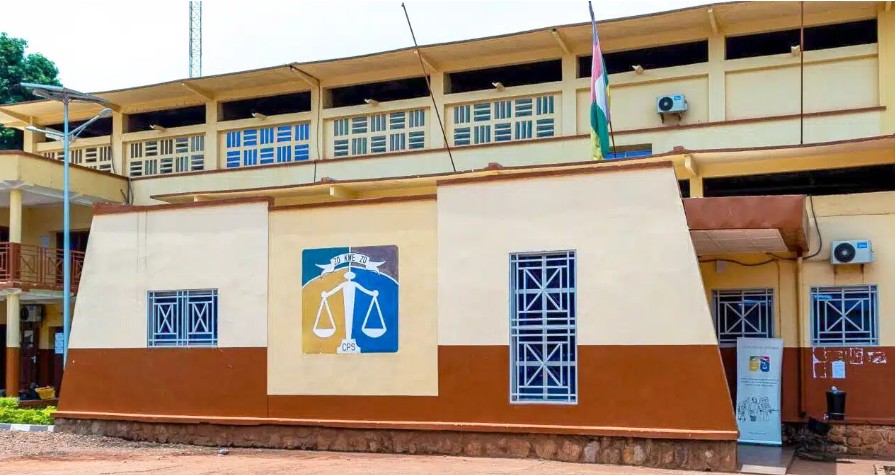
Amnesty International has called for the support of the Special Criminal Court (CPS) in the Central African Republic to address ongoing human rights concerns. The organization specifically demanded the arrest of Hassan Bouba as part of its efforts to ensure accountability for abuses within the country.
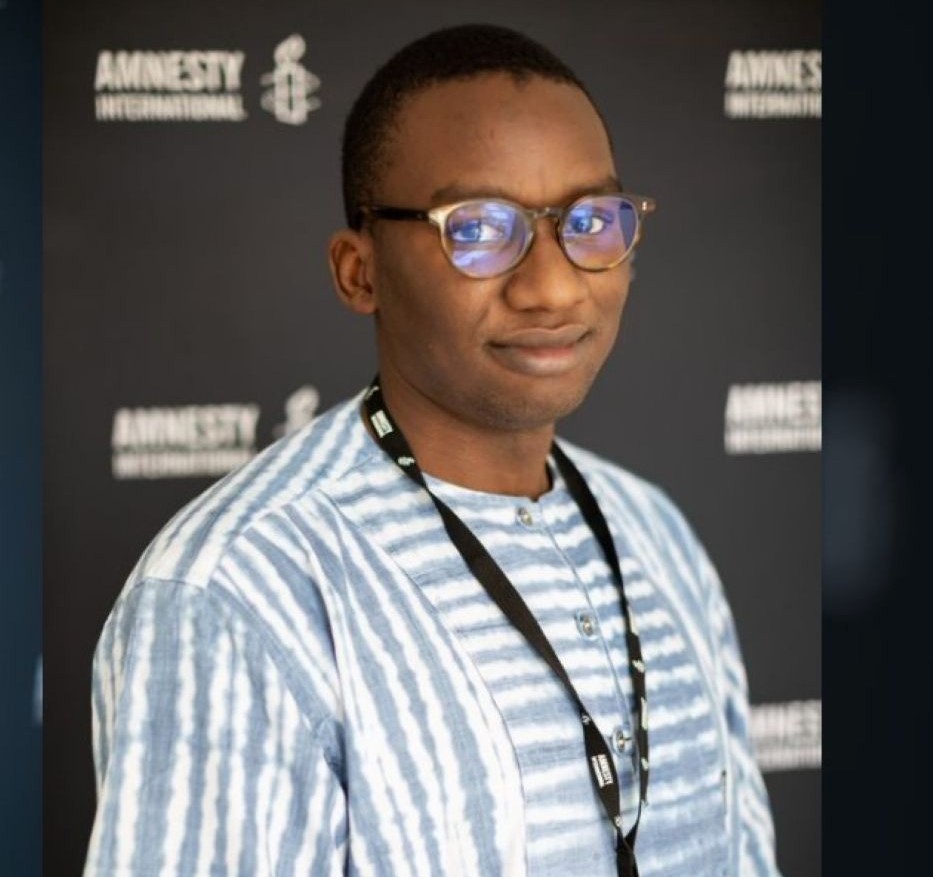
Abdoulaye Diarra, a researcher at Amnesty International for Central Africa, stated that the court remains a necessary mechanism for delivering justice. The Special Criminal Court, a hybrid judicial body established to investigate and prosecute grave crimes, has faced operational challenges that Amnesty International says require international backing. By pressing for the arrest of Hassan Bouba, the organization aims to reinforce the authority of the court and prevent impunity for individuals accused of serious violations. These actions form part of a broader push by the group to strengthen the rule of law across the region.
The Special Criminal Court operates as an essential component of the judicial landscape in the Central African Republic. As a hybrid court, it integrates both national and international legal professionals to address the most severe offenses committed within the territory. Amnesty International emphasizes that the court’s ability to function independently is critical to its success. The organization has noted that the current operational environment for the court requires consistent and strong assistance from the international community to overcome existing obstacles.
Regarding the specific case of Hassan Bouba, Amnesty International asserts that his arrest is a critical test for the judicial process. The organization has noted that the pursuit of justice must be applied consistently to all individuals, regardless of their status. By focusing on this case, the group seeks to demonstrate that the Special Criminal Court possesses the mandate and the capacity to hold perpetrators accountable. The call for the arrest of Hassan Bouba is intended to serve as a clear signal that the judicial system in the Central African Republic is committed to upholding human rights standards.
Abdoulaye Diarra, a researcher at Amnesty International for Central Africa, has been instrumental in documenting the necessity of this judicial support. His work involves monitoring the court's progress and identifying the specific areas where international intervention can provide the most significant impact. According to the organization, the support for the Special Criminal Court is not merely a procedural matter but a fundamental requirement for the restoration of justice and the protection of citizens.
The organization maintains that the legitimacy of the judicial process depends on the execution of arrest warrants and the cooperation of relevant authorities. Amnesty International continues to engage with stakeholders to ensure that the Special Criminal Court receives the resources and political backing necessary to carry out its investigations. The focus remains on ensuring that the court can effectively prosecute those responsible for grave crimes, thereby fostering a climate of accountability. As the situation evolves, the organization intends to continue its advocacy for the court’s operational independence and the fulfillment of its core mission to deliver justice for the people of the Central African Republic.