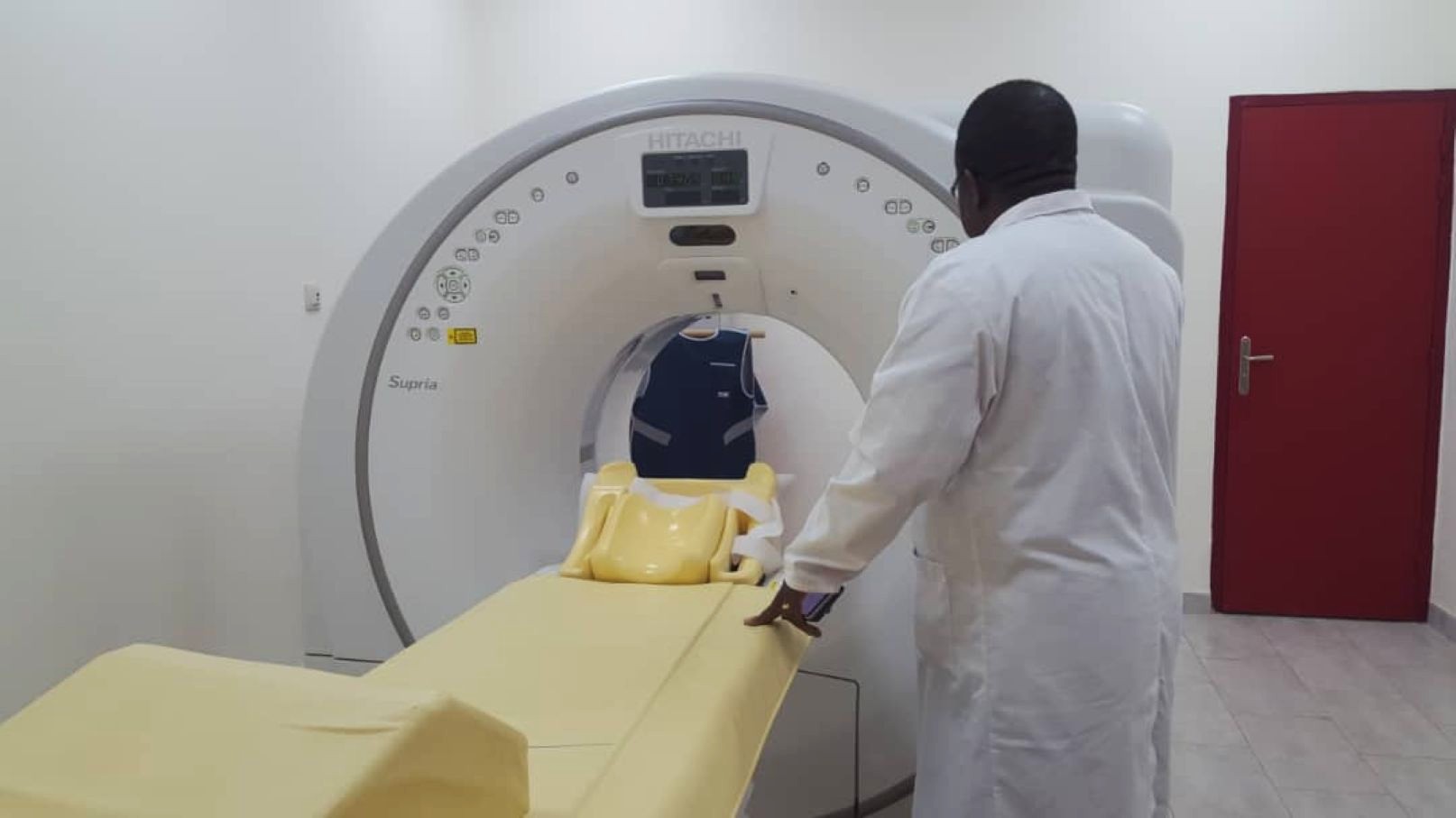
The Centre d’imagerie médicale of Bangui has been experiencing dysfunctions for several days, leading to a critical equipment crisis at the facility. The medical imaging equipment has been out of order for a week, impacting diagnostic capabilities in the Central African Republic's capital. This malfunction affects the centre's ability to provide essential medical imaging services to patients in Bangui, creating a significant public health challenge. The prolonged shutdown of these vital diagnostic tools means that a key component of the city's healthcare infrastructure is currently non-operational, leaving many patients without access to necessary examinations. The centre, a cornerstone for medical diagnostics in the region, is struggling to maintain its services, noting underlying vulnerabilities in its operational framework. This ongoing disruption shows the urgent need for intervention to restore full functionality and ensure consistent patient care.
Equipment Breakdown Details
The Centre d’imagerie médicale in Bangui is currently experiencing a complete halt in services for its key diagnostic equipment. The facility's scanner, radiography, and mammography machines are all at a standstill, rendering them completely inoperable. This full disruption has rendered the centre unable to conduct essential medical imaging procedures for patients seeking diagnoses and treatment in the capital. The breakdown affects a broad range of services, including advanced imaging required for complex medical conditions and routine screenings, which are critical for early detection and disease management. The inability to perform these tests means patients must either delay critical medical evaluations or seek alternatives, which may not be readily available or affordable in the region. The operational failure of these sophisticated machines has significantly hampered the centre’s capacity to support public health needs, leading to a backlog of patients requiring diagnostic services. The unavailability of these fundamental tools directly compromises the quality and timeliness of patient care, creating a ripple effect across the healthcare system.
Root Cause of Failures
A primary factor contributing to the equipment malfunctions at the Centre d’imagerie médicale in Bangui is the instability of the electrical supply. The fluctuations in electrical current within the facility are cited as a cause for the ongoing operational issues affecting the centre's diagnostic machinery. This variability in power delivery has been identified as a significant challenge for maintaining the sensitive medical imaging equipment, which requires a stable and consistent power source to function correctly and avoid damage. The inconsistent electrical current can lead to damage or premature wear of sophisticated devices like scanners, radiography units, and mammography machines, necessitating frequent repairs or replacements that are both costly and time-consuming. Such power irregularities can cause immediate breakdowns or gradually degrade internal components, shortening the lifespan of expensive medical apparatus. Addressing this root cause is critical for ensuring the long-term functionality and reliability of the centre's essential diagnostic services, as temporary fixes will not suffice without a stable electrical infrastructure. Reliable power is fundamental to the sustained operation of modern medical technology and the provision of uninterrupted healthcare.
Patient Dissatisfaction Mounts
Patients in Bangui have voiced their dismay over the ongoing equipment crisis at the Centre d’imagerie médicale. This situation is decried by individuals who can no longer undergo their scheduled medical examinations, leading to widespread frustration and concern. This inability to access diagnostic services has led to significant frustration among those requiring imaging procedures for their health assessments, many of whom are already in vulnerable health states. The disruption means patients are facing delays in diagnoses and treatment plans, directly impacting their medical care and potentially worsening their conditions. Without functional equipment, many critically needed tests are unavailable, leaving patients without key information about their conditions, which is vital for effective medical intervention. The prolonged breakdown has thus generated considerable dissatisfaction within the patient community, who depend on the centre for essential health services. Many patients express anxiety about the uncertainty surrounding their health, as they are unable to obtain the necessary diagnostic clarity. The lack of access to these basic medical services undermines public trust and creates a significant burden on individuals seeking care.