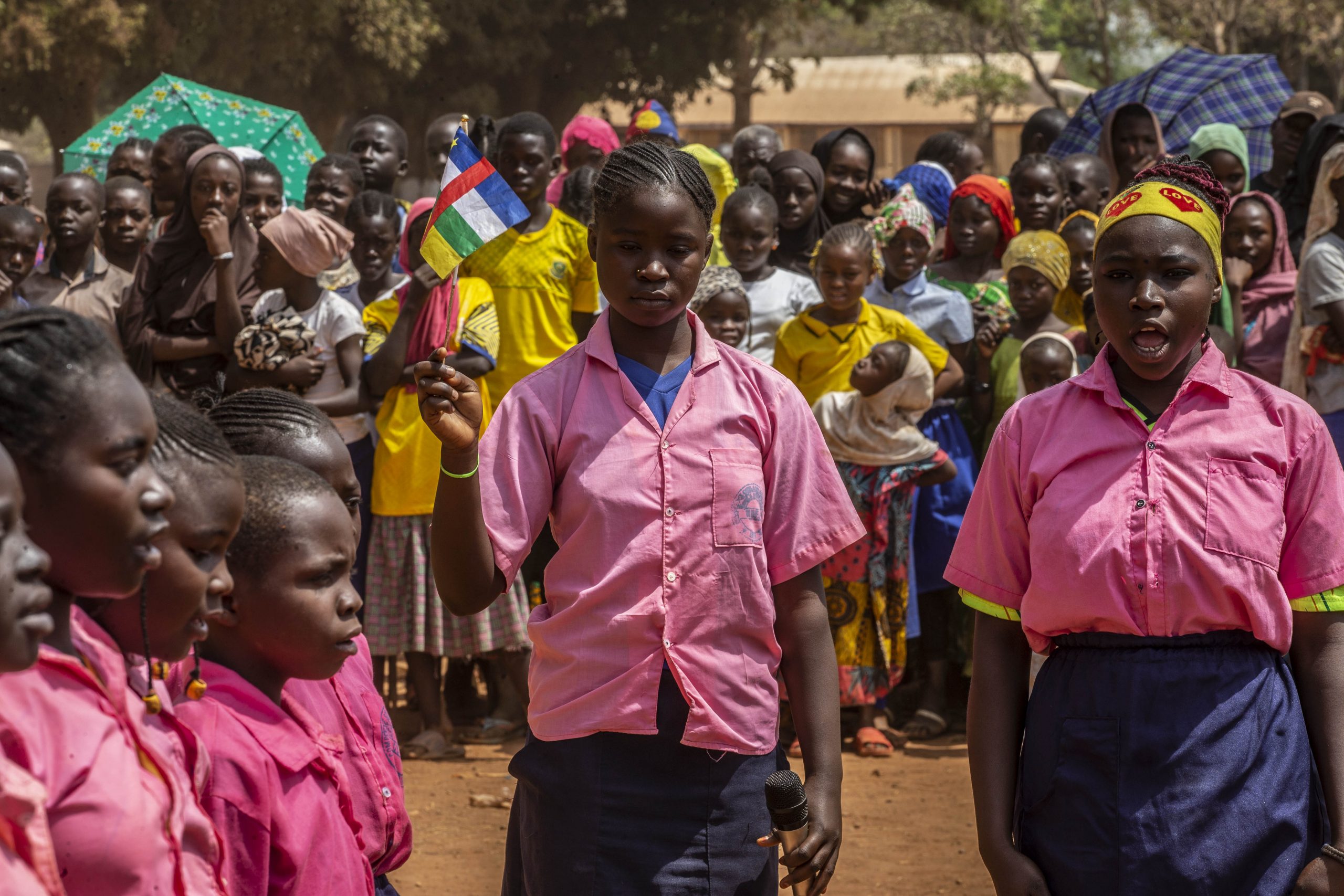
The "Linga theatre" program is addressing issues related to end-of-year exams in Linga village, Centrafrique. This initiative aims to tackle exam corruption, a significant concern for students, parents, and educators alike within the local community. The program operates in Linga village, located approximately 100 km from Bangui, the capital of the Central African Republic, making it a critical hub for regional educational developments. Radio Ndeke Luka, a prominent Central African Republic broadcaster, reported on the program’s activities and its focus on promoting integrity during the examination period. The theatre group utilizes its unique platform to convey powerful messages, using performances to highlight the widespread problems associated with academic dishonesty and actively encourages fair practices among students. This approach seeks to instill a sense of ethical responsibility from an early age, contributing to a more transparent educational environment.
Awareness Through Performance
Notables in Linga village are actively raising awareness regarding corruption linked to end-of-year examinations. This initiative aims to foster a culture of integrity within the educational system, recognizing that systemic change requires broad community engagement. Local community leaders, respected educators, and other influential figures are participating in various efforts to highlight the detrimental effects of academic dishonesty on individual students and the credibility of the entire educational framework. Their activities are meticulously designed to reach a wide audience, including students directly involved in the exams, their parents who often bear the brunt of associated pressures, and school staff responsible for administering the assessments. These campaigns emphasize the critical importance of fair practices and ethical conduct during the examination period. The focus is unequivocally on ensuring that examination results accurately reflect students' genuine knowledge and diligent effort, thereby promoting a more equitable and just learning environment for all participants. These awareness campaigns are part of a broader community effort to address systemic issues that could undermine the credibility of educational assessments in the region, ensuring that qualifications earned are truly merited.
The Lucrative Exam Business
End-of-year examinations in Linga village are characterized as a "lucrative business," according to reports on the local educational landscape. This description indicates profound concerns that the examination process has regrettably become a source of unauthorized financial gain for some individuals operating within the system. The characterization suggests that various illicit activities, potentially including the clandestine sale of exam materials, the provision of preferential treatment for a fee, or other forms of academic fraud, may be occurring. Such practices could severely undermine the fundamental integrity of the academic assessment process, directly affecting the fairness and credibility of student results and eroding public trust in the educational system. This issue notes broader challenges in ensuring transparency and equity during critical evaluation periods within the educational sector, demanding urgent attention and corrective measures to restore fairness. The financial incentives associated with these illicit activities create a powerful temptation that the "Linga theatre" program directly confronts.
Community Response and Goals
The Linga theatre program aims to foster a strong culture of integrity within the educational system of Linga village, Centrafrique. The initiative specifically seeks to promote fair practices during end-of-year examinations, directly addressing widespread concerns about academic dishonesty. Efforts are intensely focused on ensuring that examination results accurately reflect students' knowledge and effort, rather than external influences or illicit transactions. This community-wide approach notes the detrimental effects of corruption on the educational process, illustrating how it harms both individual students and the collective future of the community. The program’s activities are strategically designed to reach students, parents, and school staff, emphasizing the critical importance of ethical conduct and adherence to established rules. This concerted push for transparency and equity in assessments aligns with broader goals for establishing a more credible and trustworthy learning environment throughout the region, ensuring that educational achievements are genuinely earned.