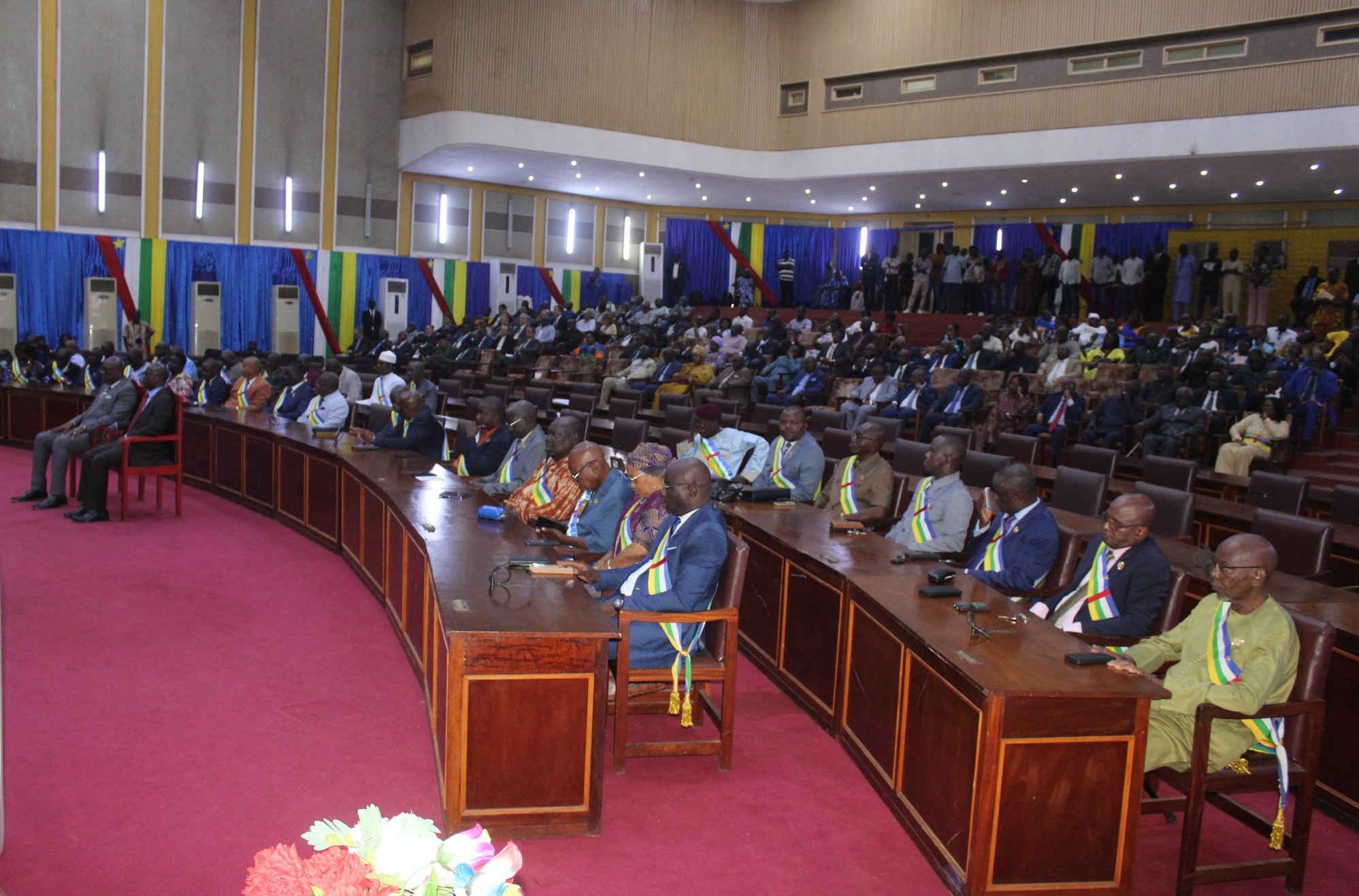
The 39th summit of the African Union (AU) convened in Addis-Abeba, where a delegation from the Central African Republic participated. This presence comes as the article describes the delegation's activities at the summit as "billets d’avion, des hôtels cinq étoiles, des poignées de mains officielles et des photos avec les autres chefs d’État." The characterization of these activities as "presidential tourism" has drawn criticism, particularly in light of the severe hunger crisis currently affecting the Centrafrique. The optics of such a high-profile, seemingly lavish presence at an international gathering are starkly contrasted with the dire humanitarian situation unfolding back home.
Summit's Noble Theme, Stark Reality
The 39th African Union summit, held in Addis-Abeba, centered its discussions on the theme of 'disponibilité durable de l’eau, la sécurité alimentaire, l’agriculture, la résilience climatique'. This focus aimed to address critical issues facing the continent, including water sustainability, food security, agricultural development, and climate resilience. The theme noted the urgent need for strategic interventions to bolster these sectors across Africa, emphasizing the collective commitment of member states to tackle these widespread challenges. The summit's agenda also sought to foster cooperation among member states to implement durable solutions for these interconnected challenges, recognizing their profound impact on the well-being and stability of African populations. However, the Central African Republic's delegation's activities at the event have drawn scrutiny, particularly given the specific relevance of the summit's theme to the profound crises currently gripping their nation. The disparity between the lofty goals discussed and the perceived actions of the CAR delegation has fueled public dissatisfaction.
Costly Diplomacy, Empty Pockets
The Central African Republic (RCA) delegation's activities at the African Union summit reportedly yielded no specific projects launched, no quantified commitments obtained, and no immediate aid mobilized for the hunger-stricken regions within the Centrafrique. The article claims this indicates a lack of tangible outcomes despite the delegation's presence, suggesting that the diplomatic efforts did not translate into concrete benefits for the struggling population. This absence of measurable achievements raises questions about the efficacy and purpose of the delegation's participation.
The article asserts that the total cost of the trip for the delegation remains undisclosed. It also states that the concrete benefits of this diplomatic excursion for feeding those experiencing hunger in the Central African Republic have not been made public, leaving citizens to wonder about the return on investment for such an expensive undertaking. The lack of transparency surrounding the expenses and the practical outcomes further exacerbates public skepticism regarding the delegation's priorities.
A Nation's Cry for Aid
Food stocks in the Central African Republic (RCA) are reportedly empty, with conflicts having destroyed crops across the nation, according to the article. This widespread destruction of agricultural capacity has crippled local food production and supply chains. Markets within the RCA are experiencing significant price surges, further exacerbating the food insecurity situation, making even scarce food items unaffordable for many households. The report indicates that children in both rural and urban areas are suffering from acute malnutrition, noting the widespread impact of the crisis on the most vulnerable segment of the population. This widespread suffering shows the urgency of effective intervention. The article further states that the hunger crisis in the Central African Republic persists, continuing unabated even after the African Union summit concluded, demonstrating a critical failure to address the immediate and pressing needs of its citizens.
Diplomacy vs. Survival
The article asserts that for millions of citizens in the Central African Republic (RCA), stability remains a luxury, and prosperity is a cruel joke. This assessment shows the stark contrast between the diplomatic activities observed at the African Union summit and the daily realities faced by the nation's populace. While the CAR delegation engaged in international forums, the severe conditions within the country, including empty food stocks, destroyed crops, and soaring market prices, persist. The ongoing hunger crisis, with children suffering from acute malnutrition in both rural and urban areas, notes the urgent need for tangible solutions that directly address the humanitarian situation rather than symbolic gestures. The article's critique posits that the resources expended on diplomatic endeavors could have been better directed towards alleviating the suffering of a population grappling with fundamental issues of survival, where the pursuit of basic sustenance overshadows any notion of political stability or economic prosperity.