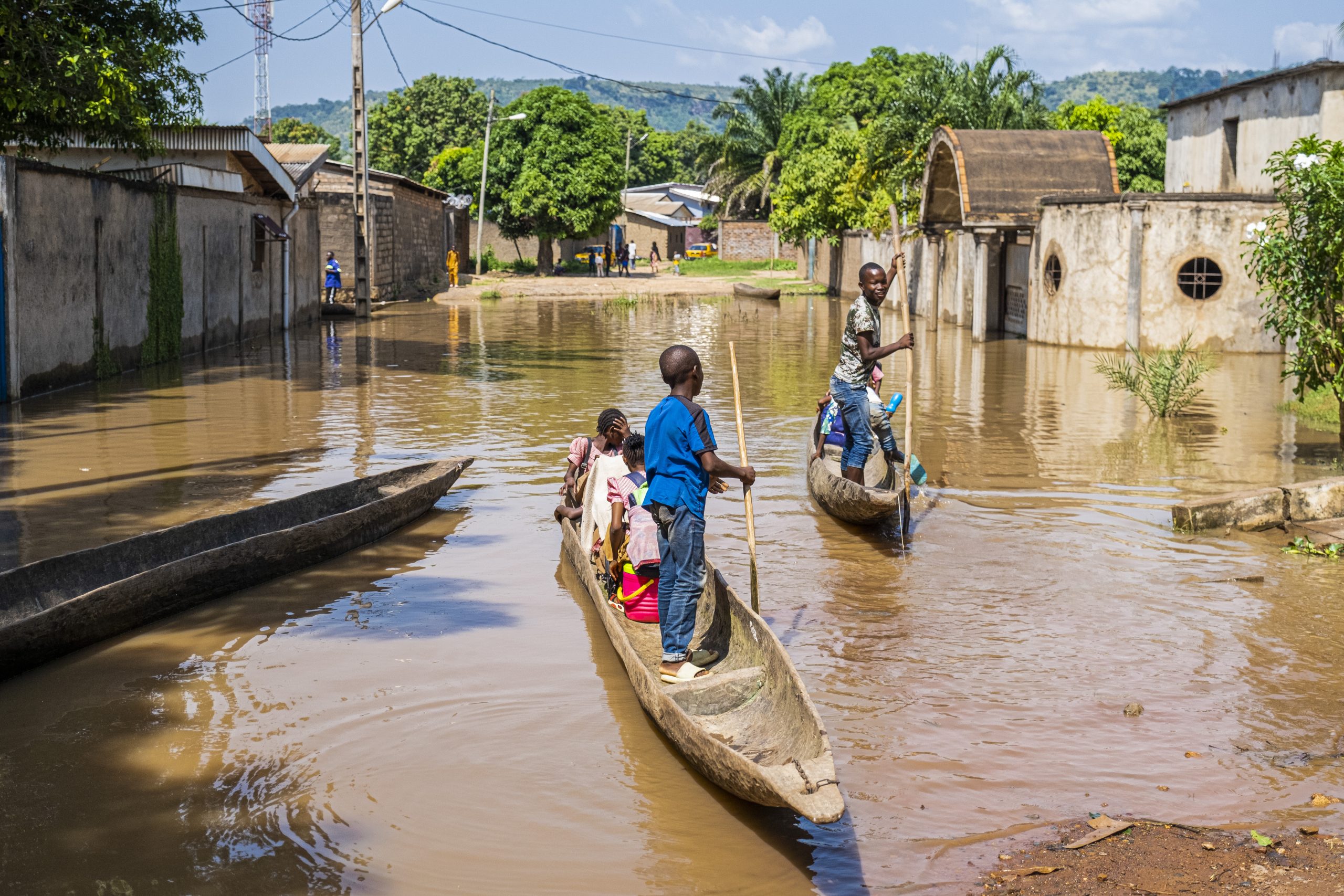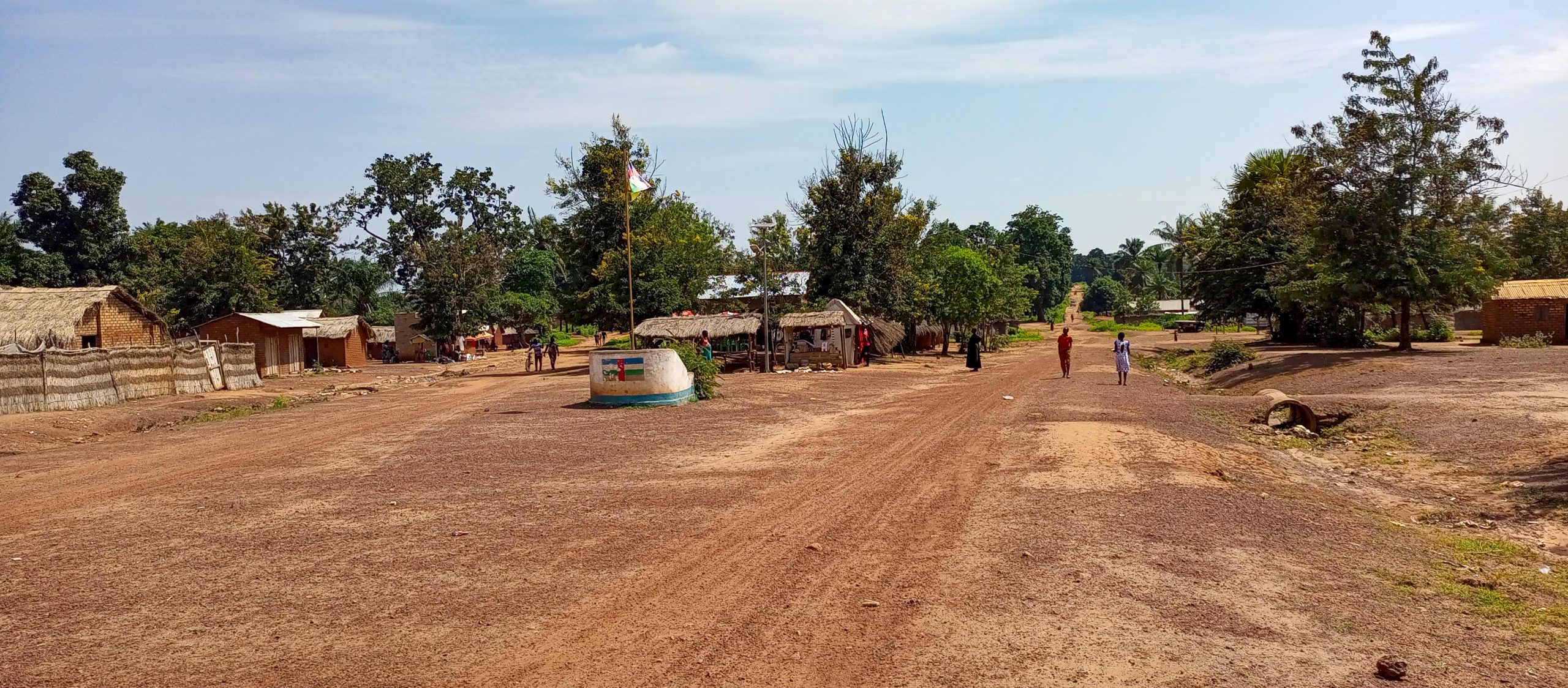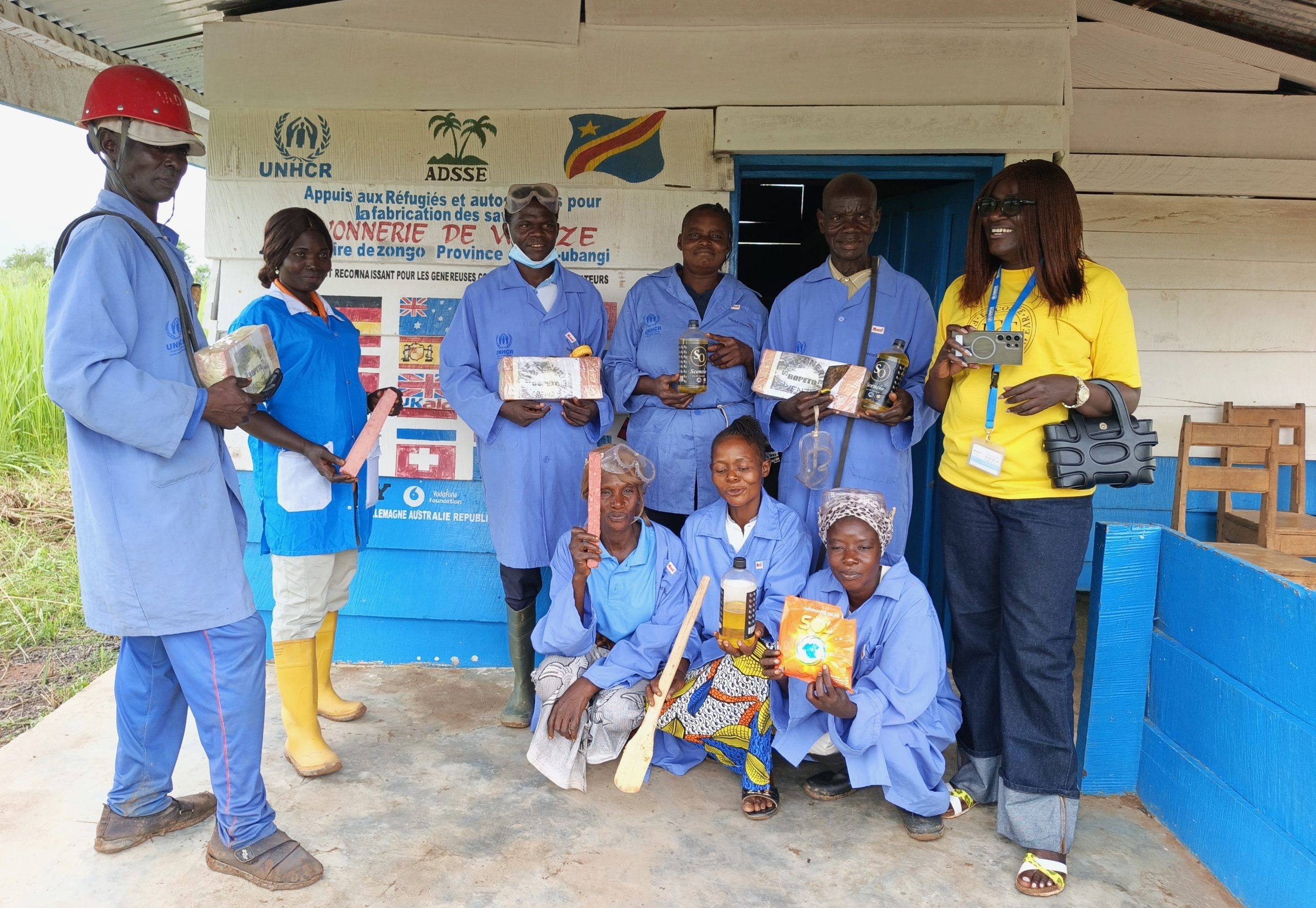
Central African refugee women in the Mole camp and Wenze site are daily fighting for their families' survival after several years of exile in the Democratic Republic of Congo. The harsh realities of displacement are a constant challenge for these women, who have sought refuge from Centrafrique. This report, published on July 13, 2026, details the ongoing struggles and resilience of these individuals. Their efforts to secure basic necessities and maintain their livelihoods highlight the persistent humanitarian challenges in the region.
Daily Struggles and Resilience
These women, who are often described as the pillars of their families, undertake various activities to sustain their households within the République démocratique du Congo. Their daily efforts predominantly involve agricultural work and engaging in small commerce. This engagement in economic activities is key for providing food, shelter, and other essential needs for their families in the Mole and Wenze refugee sites. Many have adapted to new environments, cultivating crops or selling goods in local markets to generate income. Their resilience in overcoming the challenges of displacement is frequently observed through these livelihood strategies. The women's commitment to these activities shows their central role in family survival.
Life in Mole and Wenze Sites
Refugees in the Mole and Wenze sites, located in the République démocratique du Congo, face persistent challenges in securing basic necessities. These sites host individuals displaced from Centrafrique, many of whom arrived seeking safety. Living conditions within both Mole and Wenze often involve struggles for adequate food, shelter, and access to essential services. The daily lives of residents are often marked by efforts to adapt to their circumstances while maintaining a semblance of normalcy. Organizations like the Direction du développement et de la coopération DDC and the Union Européenne have provided support to these populations. Despite assistance, residents continue to rely on self-reliance and community networks to address gaps in provision. The situation shows ongoing humanitarian needs for those living in displacement settings.
Visitor's Perspective
Edouard Rogossé, a journalist from Radio Ndeke Luka, visited the Mole and Wenze sites to observe the conditions of Central African refugee women. His visit aimed to document the daily lives and challenges faced by these women who have found refuge in the Democratic Republic of Congo. Rogossé's reporting contributes to understanding the ongoing humanitarian situation and the resilience displayed by the displaced populations in these camps. His observations form part of a broader journalistic effort to highlight the circumstances in Mole and Wenze.
Years of Exile
Central African refugee women have endured years of displacement, having fled Centrafrique to seek safety in the République démocratique du Congo. Their journey into exile has led many to camps such as Mole and Wenze, where they have resided for extended periods. This prolonged displacement has reshaped their lives, compelling them to adapt to new environments and persistent challenges. The women's experiences reflect a continuous struggle for survival and dignity far from their homes. They remain a vulnerable population, depending on their resilience and, at times, external support to navigate the complexities of life in exile within the Democratic Republic of Congo.