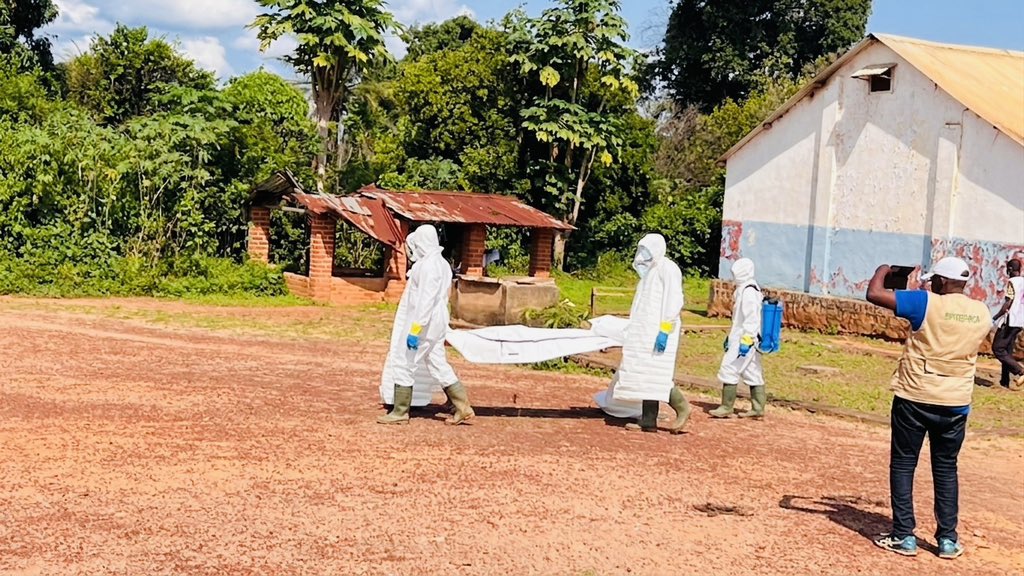
Health authorities from the Central African Republic and the Democratic Republic of the Congo convened in Bangui on 22 October and 23 October 2026 to address cross-border health security. Officials gathered in the capital to establish protocols for epidemiological surveillance and the coordination of Ebola prevention measures between the two nations.
The meeting focused on epidemiological surveillance and the coordination of Ebola prevention measures.
During the two-day summit held in Bangui, representatives from the Central African Republic and the Democratic Republic of the Congo prioritized the development of a unified framework to monitor health risks across their shared border. The discussions held on 22 October and 23 October 2026 emphasized the necessity of sharing data regarding potential outbreaks. By aligning their epidemiological surveillance systems, the two nations aim to detect health threats earlier and ensure a more rapid response when monitoring for Ebola.
The coordination of Ebola prevention measures requires the synchronization of diagnostic resources and the standardization of reporting protocols. Health authorities from the Central African Republic and the Democratic Republic of the Congo worked to create a communication channel that allows for the real-time exchange of laboratory findings and clinical observations. This collaborative effort is intended to strengthen the health security infrastructure that links the Central African Republic and the Democratic Republic of the Congo.
Participants at the meeting in Bangui reviewed existing strategies for managing cross-border movement and the screening of travelers. The coordination of Ebola prevention measures involves formalizing how the Central African Republic and the Democratic Republic of the Congo interact at border crossings to prevent the transmission of the virus. By establishing these protocols, the health authorities seek to create a cohesive barrier against the spread of disease.
The epidemiological surveillance component of the discussions centered on the deployment of trained personnel and the consistent monitoring of health indicators. Officials from the Central African Republic and the Democratic Republic of the Congo agreed that the success of their prevention strategy depends on the sustained flow of information between their respective health ministries. The meeting in Bangui served as a platform for these authorities to finalize the technical requirements for this data sharing.
The coordination of Ebola prevention measures includes the training of staff stationed in regions bordering the two countries. The Central African Republic and the Democratic Republic of the Congo have identified the need for unified training modules to ensure that health workers in both nations follow the same safety and detection standards. This alignment is a cornerstone of the epidemiological surveillance protocols established during the 22 October and 23 October 2026 sessions.
By the conclusion of the meeting in Bangui, the representatives from the Central African Republic and the Democratic Republic of the Congo had outlined a roadmap for future cooperation. This roadmap focuses on the ongoing coordination of Ebola prevention measures and the maintenance of strong epidemiological surveillance networks. Both parties expressed a commitment to the protocols designed to safeguard the populations of the Central African Republic and the Democratic Republic of the Congo through diligent health oversight and inter-governmental cooperation. The agreements reached in Bangui represent a strategic approach to managing health security in the region.