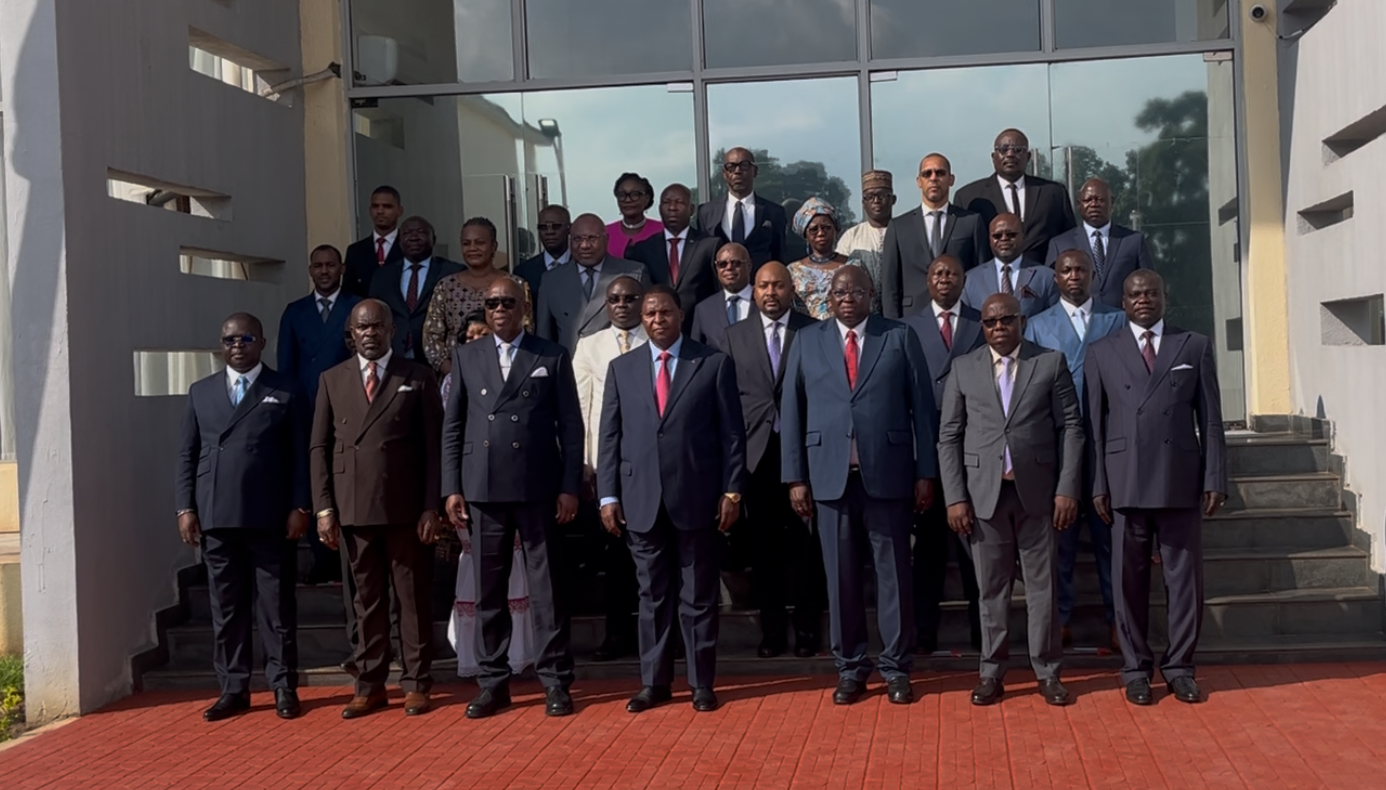
President Faustin-Archange Touadéra signed a decree on July 20, appointing resident ministers across all 20 prefectures of the Central African Republic. This key move establishes a new administrative structure nationwide, marking a significant step in the country's governance strategy. The decree formalizes the placement of these ministers, who are intended to serve as direct representatives of the central government in each prefecture. This aims to strengthen state presence and bring government action closer to the realities faced by local communities. The appointments of resident ministers were made in all 20 prefectures of the Central African Republic, showing a full approach to national administration.
Key Appointments Detailed
Among the key appointments, Josiane Bemakassoui is designated as the resident minister for Lobaye prefecture. This assignment places a direct government representative in a key administrative region. Évariste Ngamana, who serves as the Minister of State for Communication, has been assigned to Sangha-Mbaéré, noting the government’s intent to ensure clear communication channels at the regional level. Henri Wanzet Linguissara, the Minister of Disarmament, Demobilization, Reintegration, and Repatriation (DDRR), will take charge of Mambéré-Kadéï, indicating a focus on post-conflict stabilization and development in that area.
Rameau-Claude Bireau, the Minister of National Defense, is now responsible for Nana-Mambéré, linking national security priorities directly with regional oversight. The Minister of Interior, Bienvenu Zokoué, is appointed as the resident minister for Basse-Kotto, a move designed to enhance internal security and administrative control. Gervais Mbata, the Minister of Economy and Forestry Resources, has been assigned to Ombella-Mpoko prefecture, suggesting an emphasis on economic development and resource management in the region.
Bruno Yapandé, holding the portfolio for Territorial Administration, will represent the government in Ouham-Pendé, a strategic prefecture for regional governance. Pierre Somsé, the Minister of Health, is designated for Ouham, ensuring direct ministerial attention to public health matters at the local level. The Minister of Finance, Hervé Ndoba, takes responsibility for Ouham-Fafa, which points to a centralized approach to financial management and resource allocation across prefectures. Arthur Bertrand Piri, the Minister of Public Works, is appointed to Kémo, indicating planned infrastructure development. Hyppolite Robard Ngaté, the Minister of SMEs, is assigned to Nana-Gribizi, reflecting efforts to stimulate small and medium-sized enterprises regionally. Rufin Benam Beltoungou is designated for Ouaka, another key prefecture where a direct ministerial presence is now established.
Broader Regional Coverage
Further extending the government's reach, Ernest Mada has been designated as the resident minister for Haute-Kotto. Maxime Balalou is appointed to Mbomou prefecture, ensuring ministerial oversight in this region. Marcel Djimassé takes responsibility for Haut-Mbomou, completing the regional representation for the Mbomou area. Additionally, Arnaud Djoubaye Abazène, who holds the portfolio of Minister of State for Justice, has been confirmed as the resident minister for Vakaga, reinforcing the rule of law and judicial presence in the northernmost parts of the country. These appointments are part of the broader government initiative to establish direct representation in all 20 prefectures of the Central African Republic. The decree, signed by President Faustin-Archange Touadéra on July 20, aims to enhance administrative oversight and government presence throughout the country. The move is expected to streamline communication and implementation of national policies at the local level, ensuring a more cohesive national administration.
Strengthening State Reach
The appointments are intended to strengthen the state's presence and bring government action closer to the realities faced by local communities across the Central African Republic. This initiative seeks to bridge the gap between national administration and regional governance, aiming to improve the delivery of public services and enhance oversight in areas previously underserved. By placing cabinet ministers directly in each prefecture, the government is establishing a more direct line of communication and implementation for its policies nationwide. The new structure also aims to foster greater accountability and responsiveness from the central government towards the specific needs of different regions, ultimately enhancing the effectiveness of state interventions at the grassroots level. This strategic deployment marks a decisive effort to ensure that national policies are not only formulated but also effectively executed and monitored across the entire territory.