Radio Ndeke Luka recently broadcast a discussion on cholera, an acute and contagious intestinal infection. The program, referred to as an emission, aimed to inform the public about strategies for containment and transmission control of the disease. This initiative from Radio Ndeke Luka, which operates in Centrafrique, aligns with broader efforts to address public health concerns in the region. The broadcast serves as a vital platform for disseminating critical health information, especially in areas where access to medical facilities or printed materials may be limited. By utilizing radio, the program ensures that essential knowledge about cholera reaches a wide and diverse audience, empowering communities with the tools to protect themselves.
Understanding Cholera's Threat
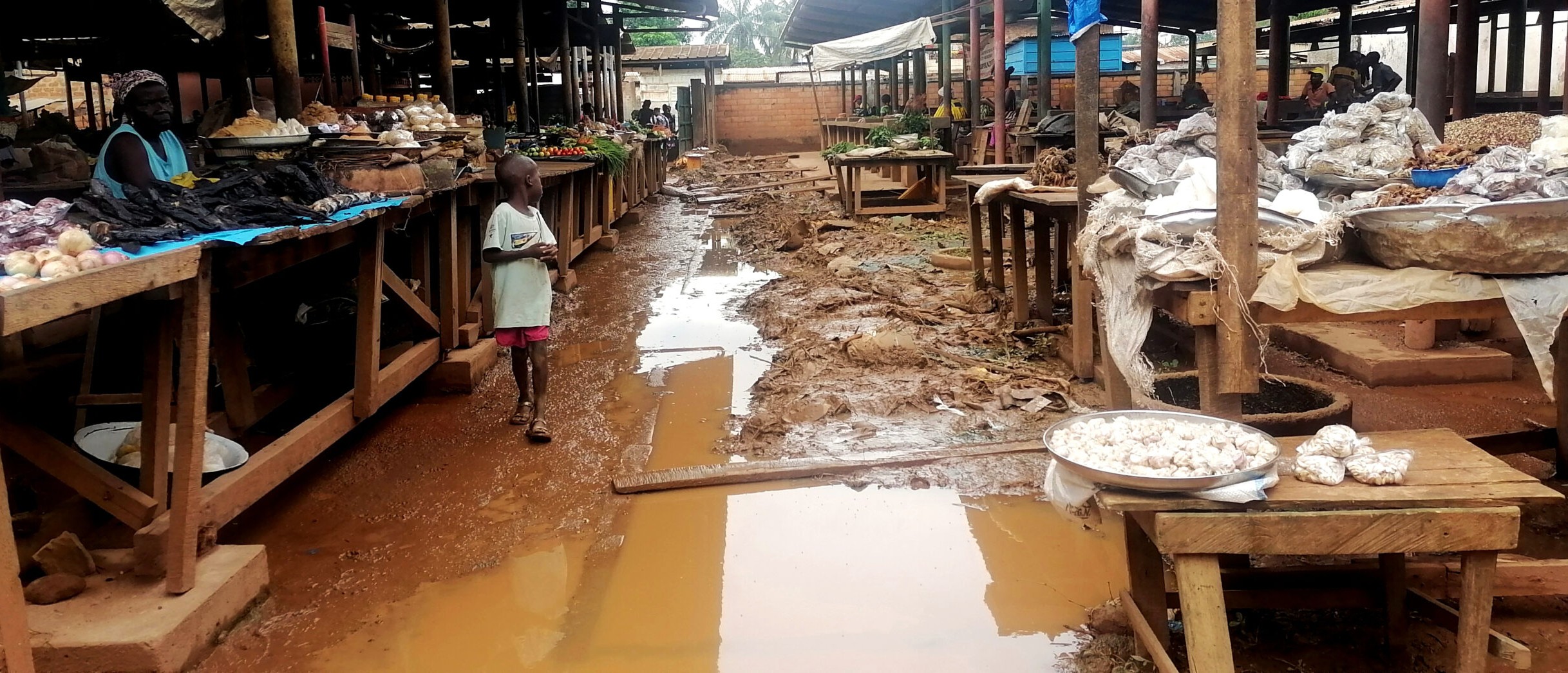
Cholera, an acute and contagious intestinal infection, poses a significant public health challenge, particularly in regions with limited sanitation infrastructure. The disease is caused by the bacterium Vibrio cholerae and is typically spread through contaminated water or food. Consumption of water or food tainted with the feces of an infected person is the primary mode of transmission, making safe water and sanitation critical for prevention. Symptoms can range from mild to severe, including profuse watery diarrhea, vomiting, and leg cramps. The rapid onset and severity of these symptoms can quickly lead to life-threatening dehydration. Without prompt treatment, severe dehydration can lead to shock and death within hours, noting the urgency of effective public health responses and immediate medical intervention.
Effective containment strategies are key to prevent widespread outbreaks. These efforts often involve improving access to safe drinking water, promoting proper hygiene practices, and ensuring adequate sanitation facilities. Community-wide campaigns focused on handwashing, safe food preparation, and proper disposal of human waste are fundamental. Rapid identification of cases, isolation of infected individuals, and provision of oral rehydration salts or intravenous fluids are vital for treatment. These medical interventions are designed to counteract the severe dehydration caused by the infection. Vaccination campaigns also play a role in preventing the spread of the disease in high-risk areas, providing an additional layer of protection. Organizations like Radio Ndeke Luka in Centrafrique contribute to public awareness by broadcasting information on cholera prevention and control methods, thereby strengthening community resilience against the disease.
Expert Insights on Prevention
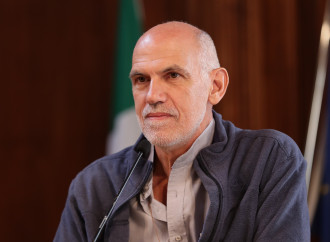
Dr. Valentin Nebanga, head of the health promotion service at the Ministry of Public Health, was the guest on the Radio Ndeke Luka broadcast. His participation aimed to provide expert insights into cholera prevention and control strategies. Nebanga's role at the Ministry of Public Health places him at the forefront of public health initiatives, making his contribution central to discussions on disease containment. During the emission, Dr. Nebanga elaborated on the scientific basis of cholera transmission and the most effective methods for interrupting its spread. He emphasized the importance of a multi-faceted approach, combining public education with infrastructure improvements.
As a representative of the Ministry of Public Health, Dr. Nebanga discussed measures to mitigate cholera transmission within communities. His insights focused on practical steps individuals and communities can take to protect themselves from the disease, reinforcing the importance of public health education in preventing outbreaks. He detailed how simple actions, such as boiling drinking water or using water purification tablets, can significantly reduce the risk of infection. He noted the critical role of community engagement and local leadership in implementing and sustaining these preventive measures. The Ministry of Public Health's involvement shows the official commitment to addressing health crises like cholera, demonstrating a concerted effort to safeguard public well-being through expert guidance and strategic interventions.
Global Response and Treatment Centers
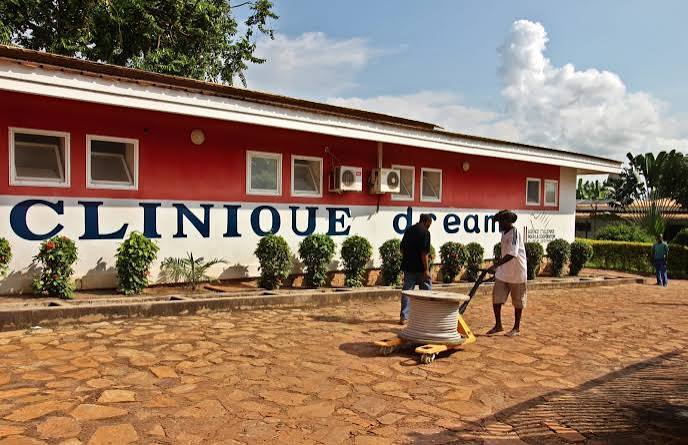
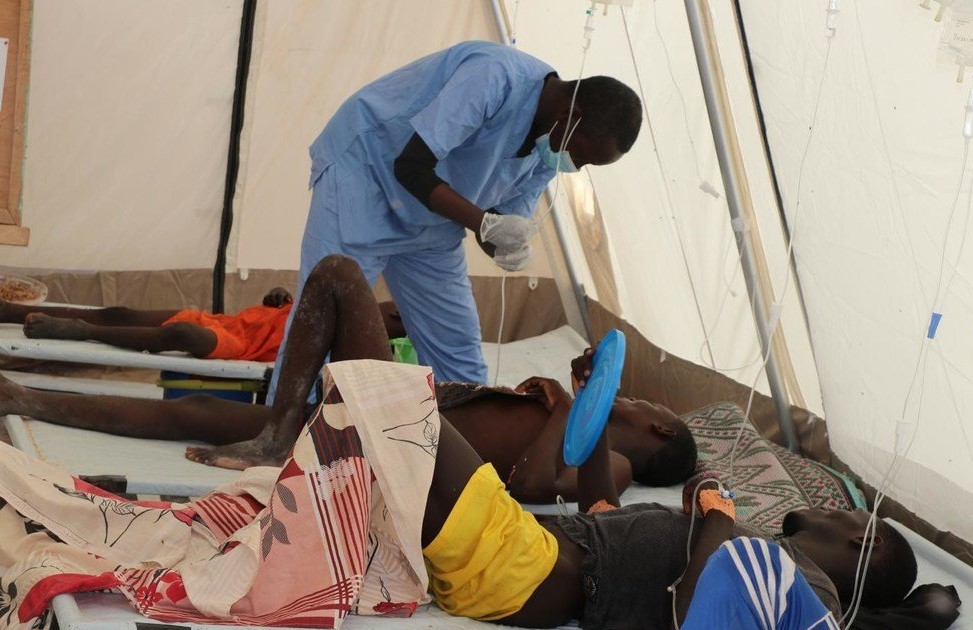
Global efforts to combat cholera include the establishment of specialized treatment facilities in affected regions. These centers are designed to handle a large influx of patients during an outbreak, providing full care in a controlled environment. In Nigeria, a cholera treatment center has been set up to manage cases and provide care for individuals afflicted with the disease. Such centers are critical components of a broader strategy aimed at containing outbreaks and reducing mortality rates. They typically offer rehydration therapy, antibiotics, and other supportive care to patients, ensuring that those most severely affected receive life-saving treatment. The presence of these dedicated facilities shows the commitment of health authorities and international partners to provide immediate and effective medical responses during cholera emergencies, often working collaboratively to pool resources and expertise. These treatment centers also serve as hubs for surveillance, helping to monitor the spread of the infection and inform public health interventions, thereby contributing to a more coordinated and effective global response against cholera.