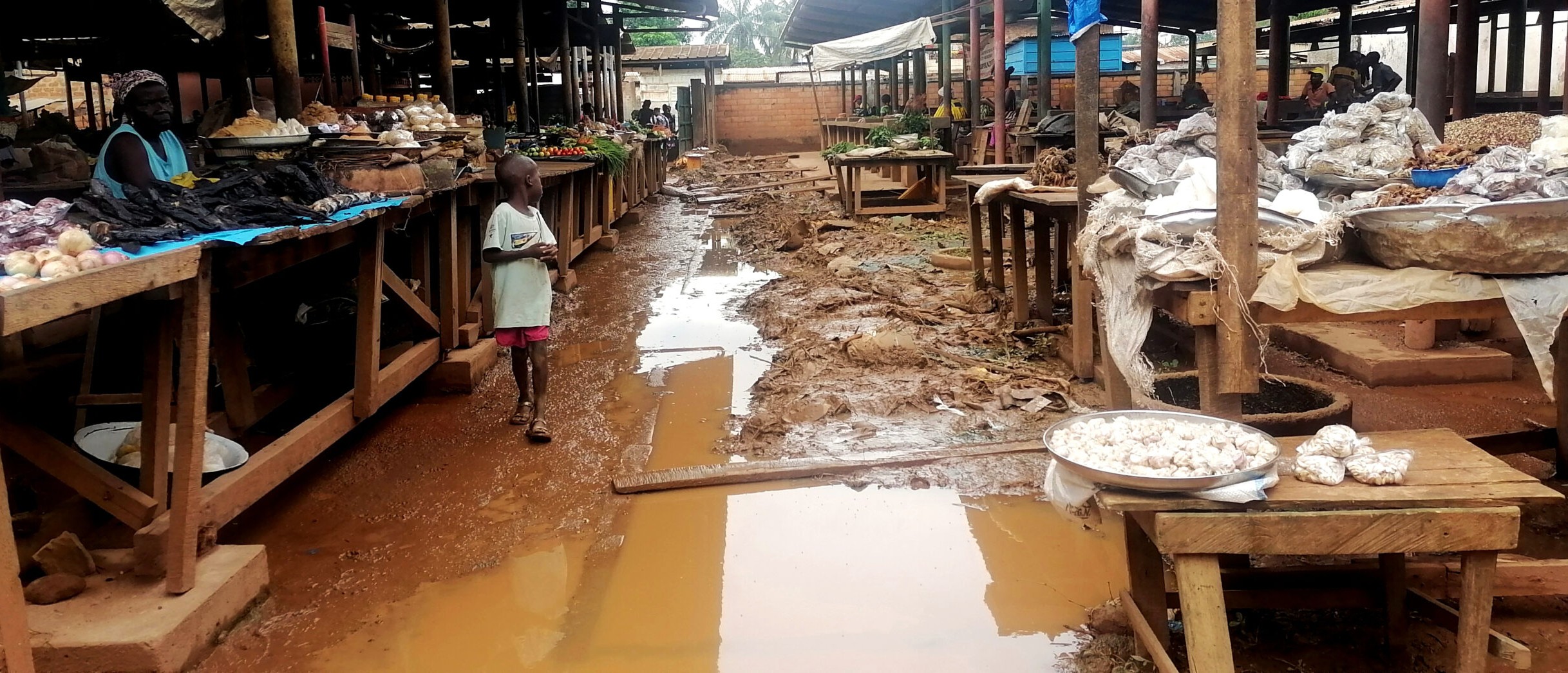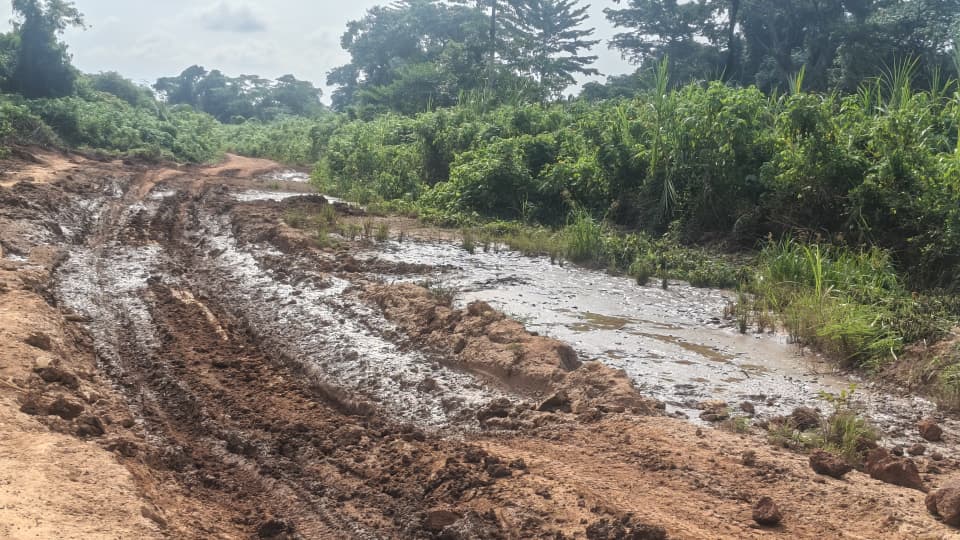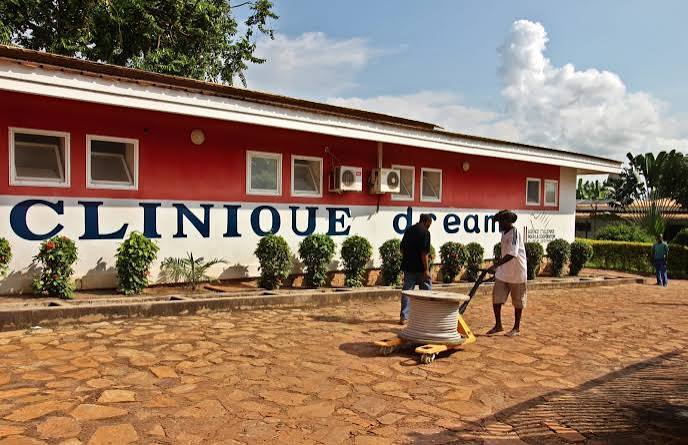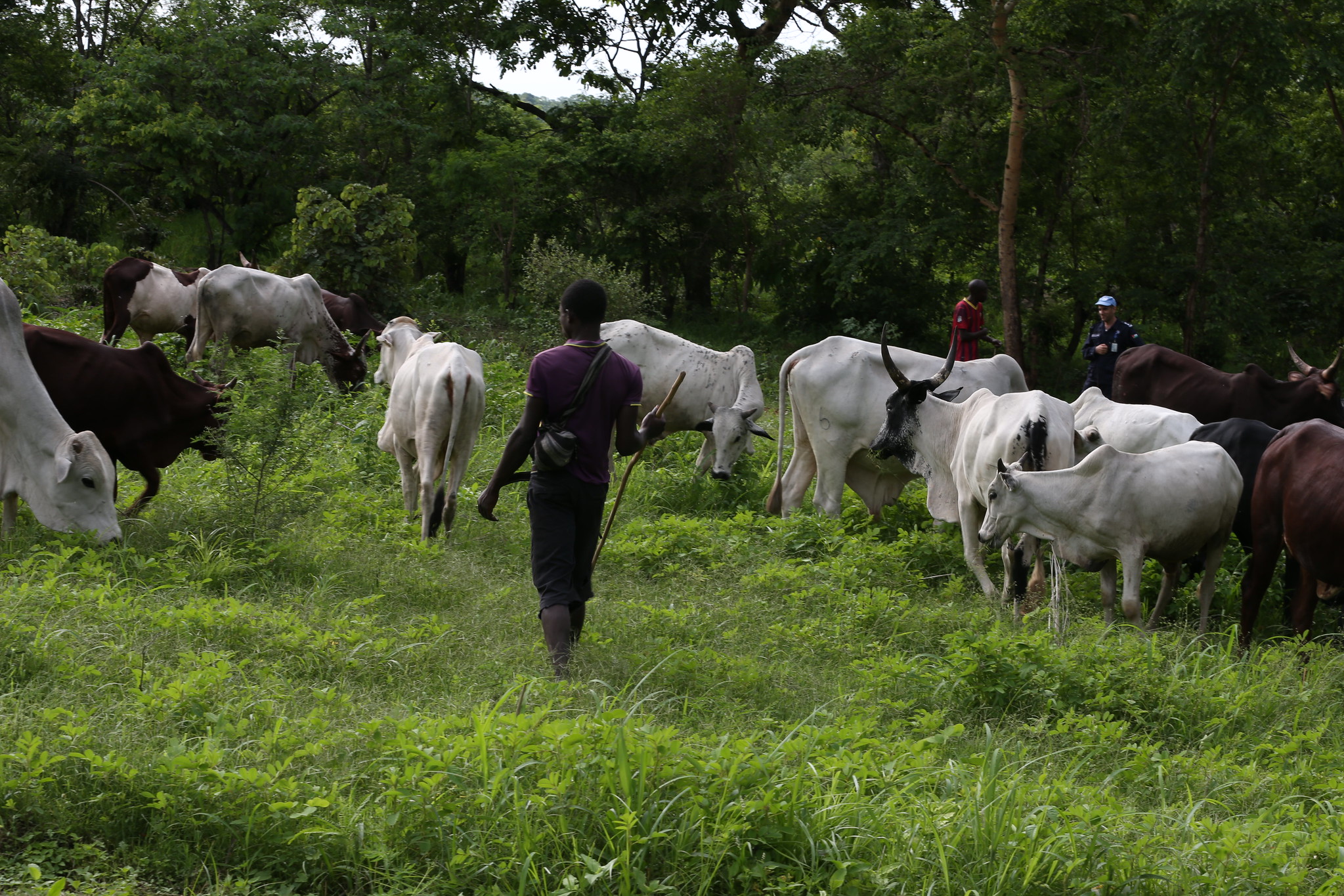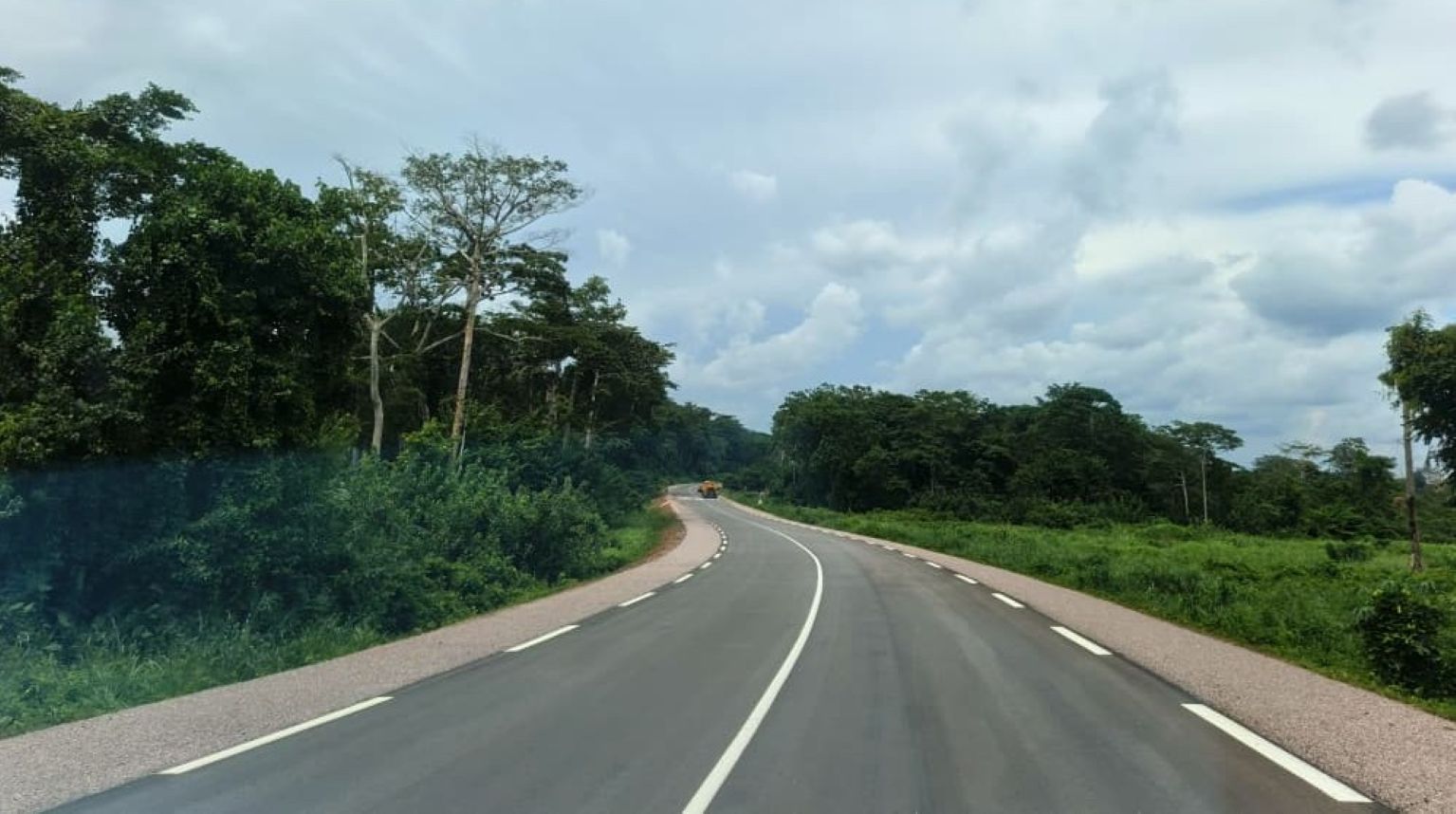
Construction of Corridor 13 on the Mbaïki-Mongoumba axis in Lobaye prefecture has significantly eased travel for local users in the Central African Republic. This newly constructed road provides a vital artery for the region. The new infrastructure facilitates the transportation of agricultural products from the region directly to the capital city, Bangui, marking a substantial improvement in the country's logistics. This development aims to improve connectivity and economic activity within the country, fostering growth and accessibility for its citizens.
Improved Connectivity and Access
Corridor 13 now links the localities of Mbaïki and Mongoumba, enhancing transportation for residents and commerce across the Lobaye prefecture. The infrastructure project has notably improved the movement of goods and people between these key areas, which are strategically situated within the Lobaye prefecture. This connection is expected to streamline access to larger markets, including the bustling capital city Bangui, by providing a more efficient and reliable route. The improved road conditions, a direct result of the new construction, significantly reduce travel times and operational costs, directly benefiting local traders and farmers who rely on efficient transport. This development is part of a broader effort to strengthen the Central African Republic's internal transport networks, facilitating economic exchange and social cohesion across different regions. The new corridor aims to ensure more reliable access for essential services, humanitarian aid, and the key flow of agricultural products, connecting rural producers to urban consumers more effectively than ever before. For users in the Central African Republic, the construction of Corridor 13 has truly made travel easier, transforming daily commutes and commercial routes.
Economic Benefits and Cost Reduction
The new Corridor 13, connecting Mbaïki and Mongoumba in Lobaye prefecture, has led to a significant reduction in transport costs for businesses and residents throughout the Central African Republic. Prior to the road's completion, the difficult terrain and poor infrastructure resulted in higher fuel consumption and increased wear and tear on vehicles, factors that contributed to elevated transportation expenses. The newly paved route now allows for more efficient movement of goods, directly impacting the final prices of products by lowering the logistical burden. This reduction in overhead is particularly beneficial for the agricultural sector.
Businesses operating along the Mbaïki-Mongoumba axis benefit from lower operational expenditures, which can translate into more competitive pricing for consumers in Bangui and other markets. This cost reduction extends profoundly to agricultural producers in Lobaye, who previously faced prohibitive expenses in getting their produce to urban centers. The improved infrastructure streamlines supply chains, decreasing the time and resources required for freight and reducing post-harvest losses. The road facilitates the transport of a variety of agricultural products, from staple crops to fresh produce, ensuring they reach the capital, Bangui, in better condition and at a lower cost. The reduced transport costs are expected to stimulate local economies by making trade more viable and encouraging increased commercial activity throughout the region, contributing to overall economic stability and growth.
Development and Funding
The African Development Bank funded the new construction of the road, establishing Corridor 13 which links Mbaïki and Mongoumba. This infrastructure project is a key component of efforts to enhance connectivity and economic development within the Central African Republic. The bank's involvement shows a strategic investment aimed at improving regional transport networks and facilitating trade, recognizing the critical role of infrastructure in national development. The development is expected to have a lasting impact on local communities by providing better access to markets and essential services, thereby improving livelihoods and fostering regional integration. The successful completion of this newly constructed road notes the potential for international partnerships to drive significant progress in challenging environments, creating tangible benefits for the population.