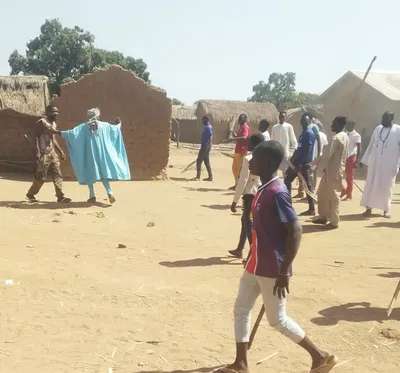
Three people were killed on February 27, 2026, when Central African Armed Forces (FACA) troops opened fire on civilians at the central market in Ouanda-Djallé following the withdrawal of MINUSCA peacekeepers. The incident, which occurred at the central market of Ouanda-Djallé, escalated rapidly. The incident occurred after FACA forces reportedly fired into the crowd. The local sub-prefect detailed the population's ongoing demands, which include respect for their rights. Additionally, residents are calling for the military to vacate the agricultural cooperative house they currently occupy, according to the sub-prefect.
Market Dispute Escalates to Violence
A dispute began when a soldier from the Central African Armed Forces (FACA) demanded free water from a fasting merchant in the Ouanda-Djallé market. The merchant refused the demand, leading to a physical altercation between the two individuals. The Sub-Prefect of Ouanda-Djallé, Serge Binguimalé, later stated that the FACA soldiers involved in the initial confrontation had specifically demanded personal service of water from the merchant. During the escalating confrontation, peacekeepers from the United Nations Multidimensional Integrated Stabilization Mission in the Central African Republic (MINUSCA) intervened to de-escalate the situation. Their presence helped to calm the immediate tension at the market following the initial dispute. The incident occurred prior to the withdrawal of MINUSCA forces from the area. After MINUSCA's withdrawal, the situation took a tragic turn when FACA forces opened fire on the population.
Human Rights Abuses Detailed
Following the market dispute, a spontaneous march by the population headed towards the FACA military base at the OFCA cooperative. The Sub-Prefect of Ouanda-Djallé, Serge Binguimalé, stated that the FACA soldiers involved in the initial confrontation had demanded personal service of water from the merchant. Mr. Binguimalé further elaborated on the population's core demands, stating that these included respect for their fundamental rights and the liberation of the agricultural cooperative house currently occupied by the military.
Mr. Binguimalé detailed a pattern of abuses committed by FACA forces in the area. He listed repeated human rights violations, land intimidation, and irregular seizure of Android phones as daily occurrences. The sub-prefect also cited abusive taxes and intimidation shootings during tax collection among the infractions. These actions have contributed to significant tension within the community. The population's march towards the military base shows the gravity of their grievances against the FACA presence in Ouanda-Djallé. The sub-prefect's account paints a picture of systemic issues that have eroded trust between the local population and the military forces stationed in the area, culminating in the tragic events of February 27, 2026.
Government Delegation Investigates Aftermath
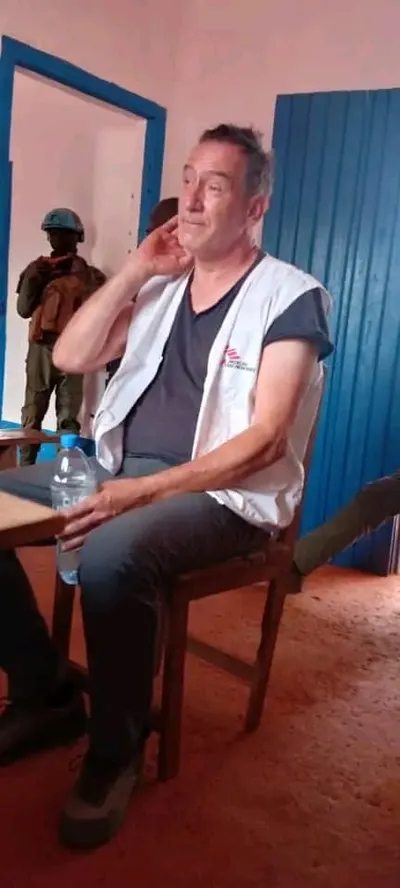
Three people, including two students, were killed in the Ouanda-Djallé market shooting, and nine others were injured. Following the incident, a ministerial delegation visited Ouanda-Djallé. The delegation included Claude Rameaux Bireau, Minister of National Defense and Reconstruction of the Army, and Bruno Yapandé, Minister of Territorial Administration, Decentralization, and Local Development. Medical assistance for the injured was provided, with two individuals evacuated to Bria by Médecins Sans Frontières (MSF). This immediate medical response was key for those severely affected by the violence.
Minister Bireau pledged an in-depth investigation into the events, to be led by General Isamo. He also promised disciplinary sanctions against those responsible, legal proceedings, and the replacement of the Central African Armed Forces (FACA) units stationed in Ouanda-Djallé. This commitment from the Minister of Defense aims to address the community's concerns about accountability and security. Minister Yapandé conveyed President Touadéra's personal attention to the situation, showing the government's response to the violence. The presence of such a high-level delegation notes the seriousness with which the government is treating the incident and the broader issues of FACA conduct in Ouanda-Djallé. The forthcoming investigation and promised actions signal a potential shift in how military-civilian relations are managed in the region, following the tragic loss of life and widespread grievances detailed by the sub-prefect.