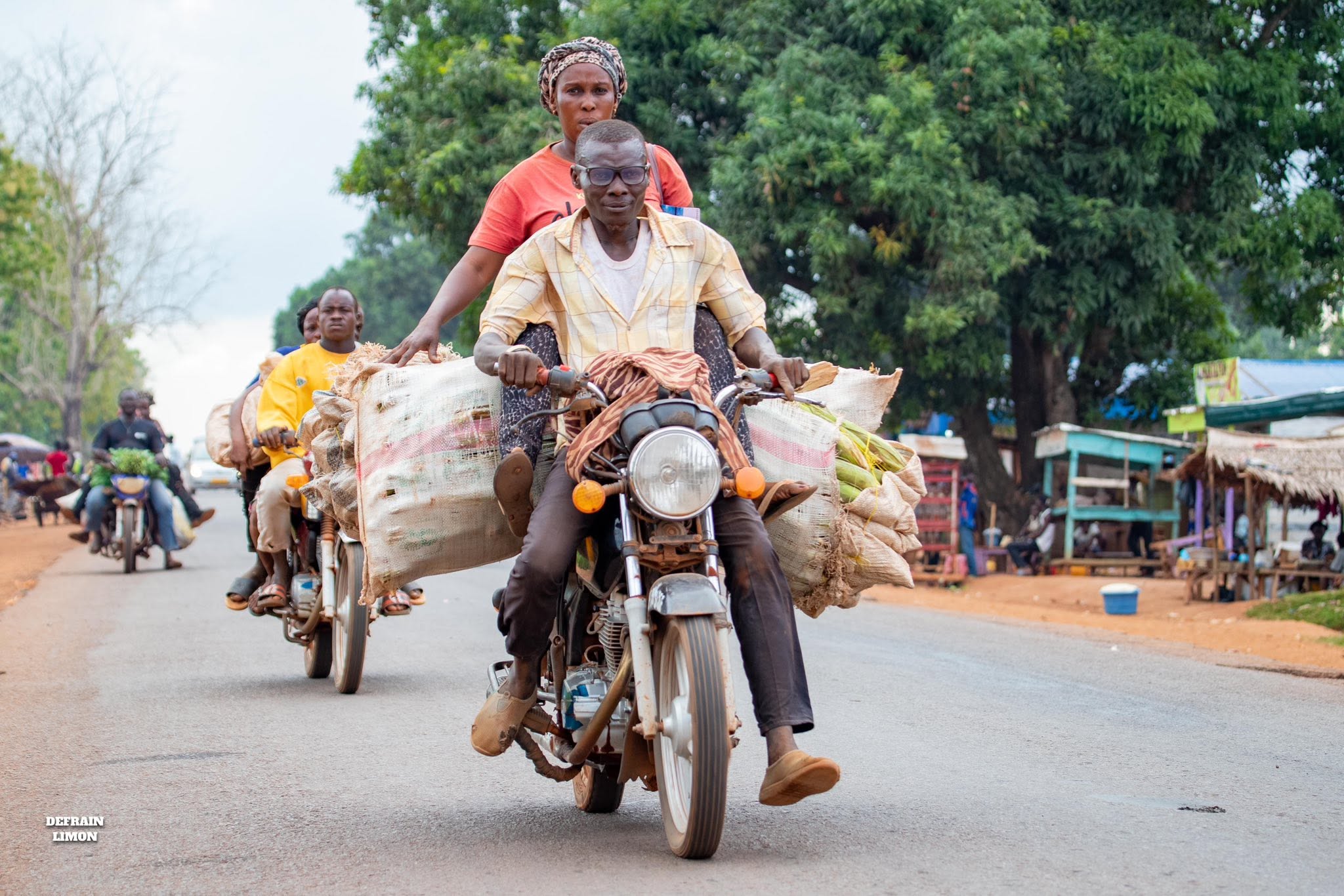
Users of the Bangui-Mbaïki axis have reported instances of racketeering, which they attribute to elements of the national gendarmerie's motorized brigade. These allegations center on roadblocks established along the RN6 near Bangui. Destin de Bonheur Wilikon, a clothing trader, stated that gendarmes demand money from travelers, claiming it is for the state coffers. He added that failure to pay results in fines or having goods seized. Wilikon indicated that these alleged practices disrupt trade and increase operational costs for businesses relying on the route. The consistent reports from those using the Bangui-Mbaïki axis show a growing concern over the integrity of commercial routes.
Drivers Detail Extortion Claims
Drivers utilizing the Bangui-Mbaïki axis have consistently reported experiences of alleged racketeering, primarily attributing these actions to elements of the national gendarmerie's motorized brigade. These complaints frequently point to unofficial roadblocks erected along the RN6 highway in the vicinity of Bangui. Destin de Bonheur Wilikon, a clothing trader, described how gendarmes reportedly demand payments from travelers, asserting these funds are destined for state coffers. According to Wilikon, non-compliance with these demands often leads to the imposition of fines or the confiscation of goods. Such alleged practices, Wilikon stated, significantly impede commercial activities and elevate operational expenses for businesses that depend on the Bangui-Mbaïki route for transportation. The recurring nature of these allegations, which users of the Bangui-Mbaïki axis denounce, has prompted calls for intervention to address the reported obstacles to free passage. The specific mention of the RN6 near Bangui notes a critical choke point where these alleged incidents are concentrated, impacting a vital artery for commerce.
Economic Impact of Roadblocks
The alleged practices along the Bangui-Mbaïki axis contribute to a notable increase in the costs associated with both transport and merchandise. The reported demands for payments and imposition of fines at unofficial roadblocks directly affect the operational expenses of traders and transporters. This situation compels businesses to absorb higher overheads, which are often passed on to consumers through elevated prices for goods. The disruptions and financial burdens imposed by these alleged actions create a challenging economic environment for those dependent on the RN6 highway for commercial activities, ultimately impacting the broader market. These practices lead to an increase in the costs of transport and merchandise, making essential goods more expensive for the end consumer and reducing profit margins for traders. The cumulative effect of these additional costs can stifle economic growth and deter investment in the regions served by this key road.
Government Dispatches Dismantling Mission
A mission focused on dismantling illegal barriers has been dispatched to several key axes. This initiative aims to address the reported obstructions to free movement and trade. The deployment follows consistent allegations of racketeering and unauthorized checkpoints affecting road users. The mission is tasked with ensuring that all established checkpoints operate within legal frameworks and that illicit barriers are removed. This action directly responds to concerns raised by traders and drivers regarding the financial and logistical burdens imposed by unofficial demands along major transit routes. The government's decision to launch this mission shows a commitment to restoring order and facilitating legitimate commercial activities on the nation's roadways. This mission to dismantle illegal barriers has been dispatched to several axes, signaling a broader effort to secure key transportation corridors beyond just the Bangui-Mbaïki route. The objective is to restore confidence among road users and ensure the unhindered flow of goods and people, which is vital for the economic health of the region.