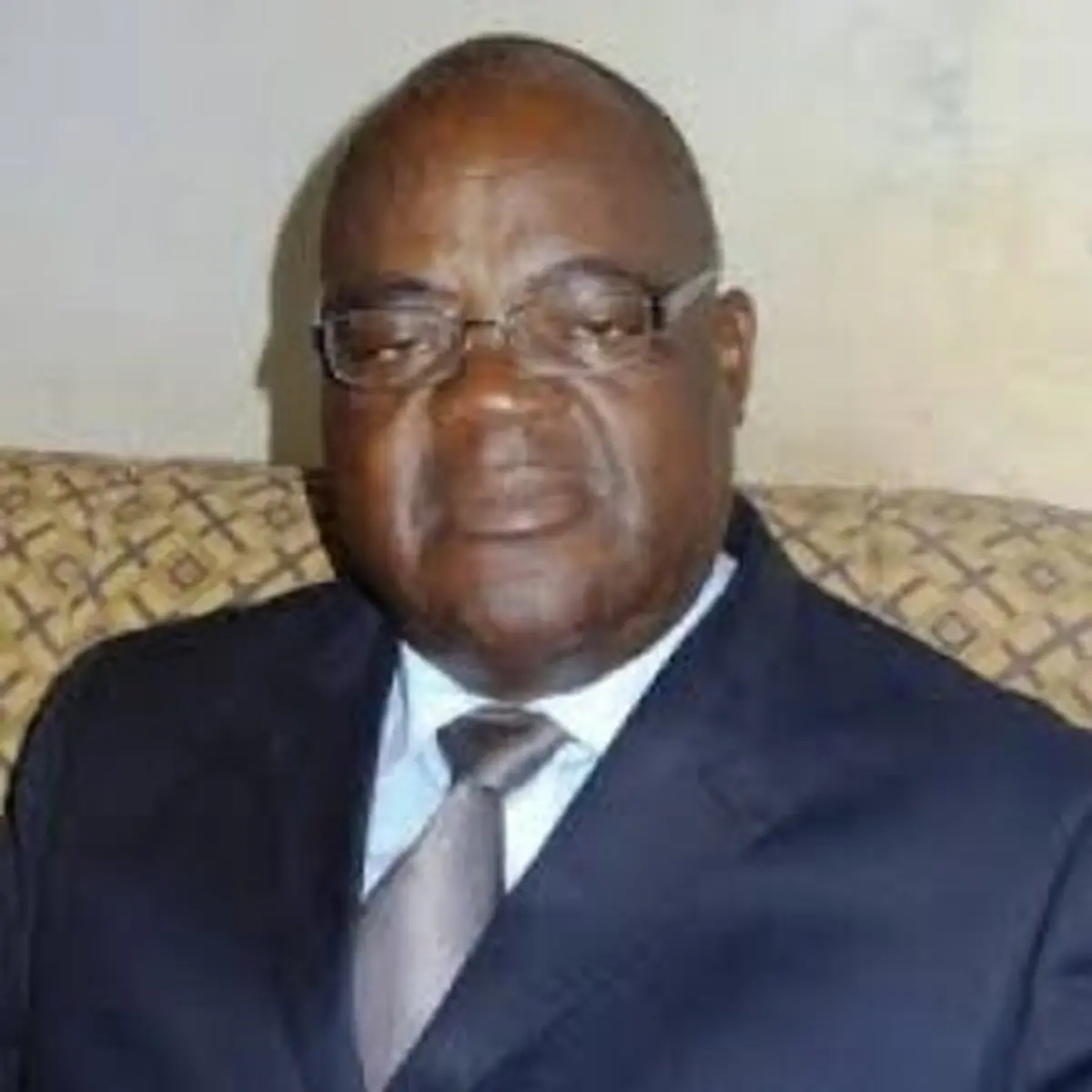
Magistrate Joseph Binoumi, president of the Ligue centrafricaine des droits de l'homme, has publicly challenged the Central African government regarding the legal status of Anicet-Georges Dologuélé. The Constitutional Court of the Central African Republic previously issued a decision confirming the nationality of Anicet-Georges Dologuélé. Joseph Binoumi stated, "Nous nous sommes déjà prononcés au niveau de la Ligue Centrafricaine des droits de l'homme sur le cas de Loguele." He criticized the ongoing scrutiny of the deputy’s credentials, questioning, "Comment est-ce que nous allons encore venir gratter là-dedans ?" Joseph Binoumi asserted, "Je voudrais dire au nom de la Ligue Centrafricaine des droits de l'homme, mais avec autant de fermeté, pardon, il faut qu'on arrête. Qu'est-ce que cette histoire-là ?" Évariste Ngamana serves as the spokesperson for the Central African government.
As a magistrate and the president of the Ligue centrafricaine des droits de l'homme, Joseph Binoumi maintains a professional interest in the consistency of legal standards. The Constitutional Court of the Central African Republic has previously issued a decision regarding the nationality of Anicet-Georges Dologuélé, which serves as a foundational element in this ongoing debate. Joseph Binoumi stated that the decisions of the Constitutional Court are final and binding on all government institutions. This perspective shows his argument that the matter has been resolved by the highest judicial authority available in the state.
Constitutional Court Authority Challenged
Joseph Binoumi argued that the rulings issued by the Constitutional Court of the Central African Republic function as final legal determinations. According to the president of the Ligue centrafricaine des droits de l'homme, these judicial decisions remain binding on all government institutions within the country. His position maintains that once the court has adjudicated a matter, no further administrative or political review should alter the outcome. This interpretation of judicial authority serves as the basis for his opposition to the continued questioning of the legal status of Anicet-Georges Dologuélé. By asserting that the court holds the ultimate power to settle such disputes, the magistrate seeks to halt further state interference in the deputy's credentials. The government, represented by spokesperson Évariste Ngamana, has yet to formally respond to this specific interpretation of the court’s mandate regarding the case. Joseph Binoumi continues to advocate for adherence to the established judicial process in Bangui.
The role of Évariste Ngamana as the spokesperson for the Central African government places him at the center of the administration's response to these institutional critiques. Joseph Binoumi insists that the legal certainty provided by the Constitutional Court of the Central African Republic must be respected to maintain the integrity of the judicial system. For the magistrate, the fact that the Constitutional Court of the Central African Republic has previously issued a decision regarding the nationality of Anicet-Georges Dologuélé should preclude any additional investigations or challenges. By framing the Constitutional Court of the Central African Republic as the final arbiter, Joseph Binoumi emphasizes that the decisions of the Constitutional Court are final and binding on all government institutions, leaving no room for the government to revisit settled nationality disputes.