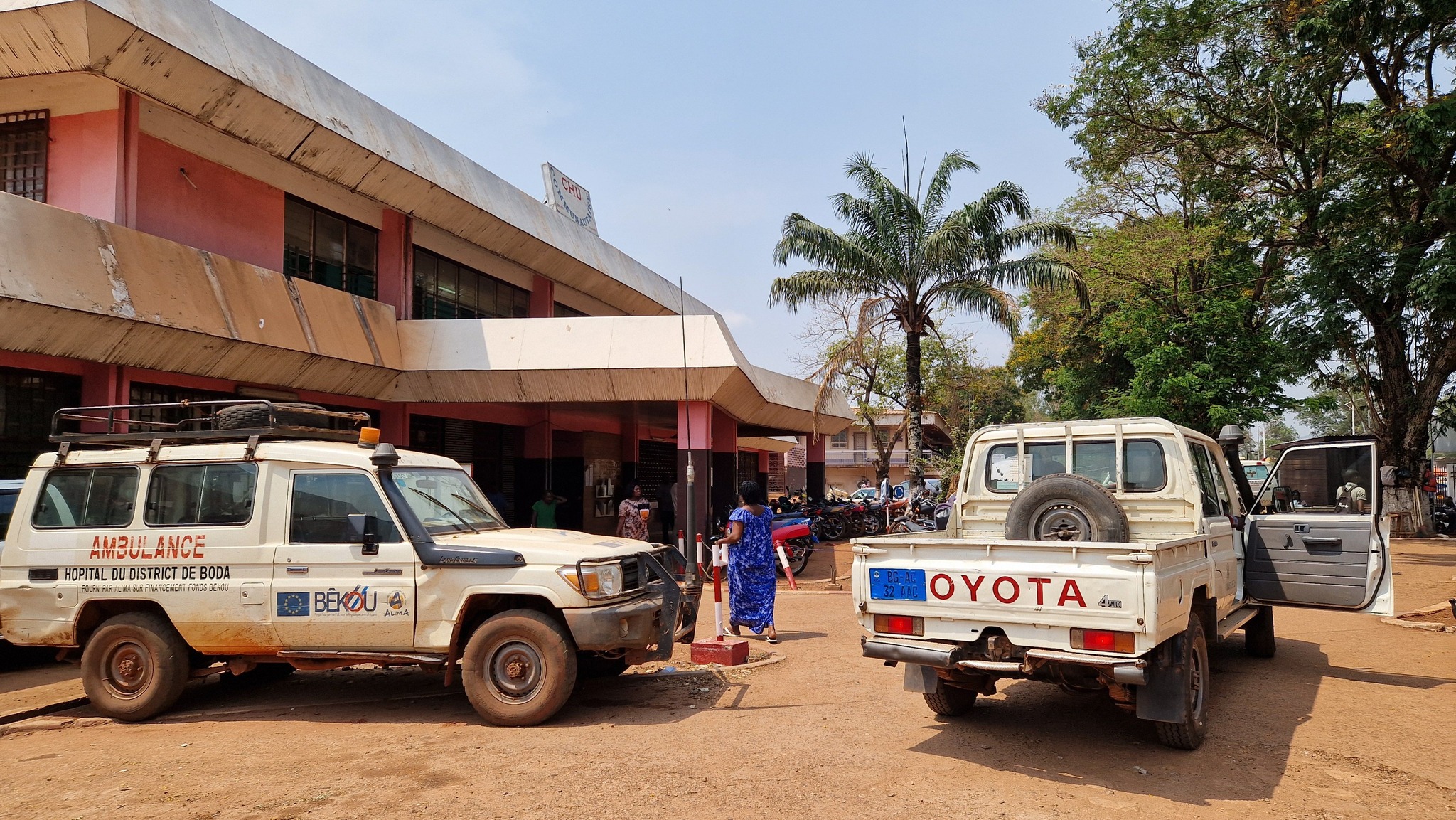
Health centers in Bangui, Centrafrique, have recently reported a resurgence of malaria cases, marking a concerning trend for public health authorities. This increase in infections has prompted health professionals to advocate for immediate action, emphasizing the urgent need to address the escalating situation. They are calling for strengthened prevention measures to combat the rising incidence of the disease within the urban areas, noting the potential for widespread impact if not adequately managed. The recent weeks have seen a noticeable uptick in reported cases across various urban health centers, signaling a significant challenge for the capital's healthcare infrastructure. This resurgence is particularly alarming given the city's population density and the potential for rapid transmission.
Rising Cases and Severity
Health facilities in Bangui are currently admitting numerous patients daily who present with symptoms consistent with malaria. This daily influx of patients shows the widespread nature of the current outbreak. These admissions reflect a significant burden on the city's healthcare system, stretching resources and personnel thin. A concerning trend has emerged where some of these malaria infections are progressing to severe forms, necessitating urgent medical intervention. The advanced stage of these cases places additional strain on resources and medical personnel, requiring more complex treatments and longer hospital stays. This escalation in severity is a key factor driving the concern among medical staff, as severe malaria carries a higher risk of complications and mortality, especially among vulnerable populations. The sheer volume of daily admissions, coupled with the increasing complexity of cases, presents a formidable challenge to the capacity of local health facilities.
Children Most Affected
The disease is particularly affecting children, who represent a significant portion of the newly admitted patients. Many young patients are now presenting with severe forms of malaria, placing a significant burden on Bangui's healthcare facilities. Health professionals note a concerning trend as these cases often require intensive care and prolonged treatment, diverting critical resources. The high number of pediatric admissions notes the vulnerability of this population group to the current resurgence, necessitating focused protective measures. Medical teams are working diligently to manage the influx of patients, but the increasing severity complicates treatment protocols and resource allocation. This situation shows the urgent need for targeted interventions to protect children from the escalating malaria crisis in the city, including enhanced surveillance and rapid treatment access. The long-term health implications for children who experience severe malaria are also a major concern for public health officials.
Health Professionals' Concerns
Health professionals have expressed significant concern regarding the current malaria resurgence in Bangui. The sudden increase in cases, particularly severe forms, is placing immense pressure on the city's health infrastructure, threatening to overwhelm its capacity. Medical staff are reporting an overwhelming number of daily admissions linked to the disease, straining resources and personnel to their limits. The situation is further complicated by the high incidence of severe malaria among children, who require intensive care and prolonged treatment, demanding specialized care that is often in short supply. This trend has prompted calls for immediate and strengthened prevention strategies to mitigate the crisis, including community education, improved sanitation, and timely access to antimalarial drugs. Professionals worry that without urgent and full intervention, the health system's capacity could be further compromised, potentially leading to a broader public health emergency. The collective apprehension among health workers notes the gravity of the situation and the critical need for a coordinated response to safeguard the health of Bangui's residents.