Sani Yalo recently published a book titled "Touadéra a sauvé la RCA," which translates to "Touadéra saved the RCA." This publication emerges amid public sentiment suggesting a contrasting view regarding the leadership of Touadéra in the Central African Republic (RCA). The book, a direct assertion of President Touadéra's positive impact, is met with considerable skepticism. An article estimates that approximately 95% to 97% of Central Africans believe Touadéra has not saved the country, presenting a significant divergence from the book's central premise. This stark contrast between Yalo's narrative and widespread public opinion raises questions about the motivations behind the publication and its potential reception within the République centrafricaine.
The Author's Past and Ambitions
Sani Yalo reportedly left high school in Première without obtaining a baccalauréat, a detail that adds to the intrigue surrounding his public profile. Despite this educational background, he harbors aspirations of becoming Prime Minister of the Central African Republic, a high political office that shows his ambition. Yalo's past includes a notable period of imprisonment under the Patassé regime, where he was held for forgery and the use of forged documents, indicating a history of legal entanglements. During the François Bozizé regime, Sani Yalo was a fugitive, suggesting a pattern of being at odds with established authorities. His name is also reportedly mentioned in connection with a failed coup attempt in Equatorial Guinea, further linking him to politically sensitive and potentially destabilizing events. Currently, a warrant for Sani Yalo's arrest is reportedly in effect, which significantly restricts his movements and prevents him from leaving Bangui. These various facets of his past contribute to a complex public image for the author of a book defending the current president.
Critique of the Regime's Achievements
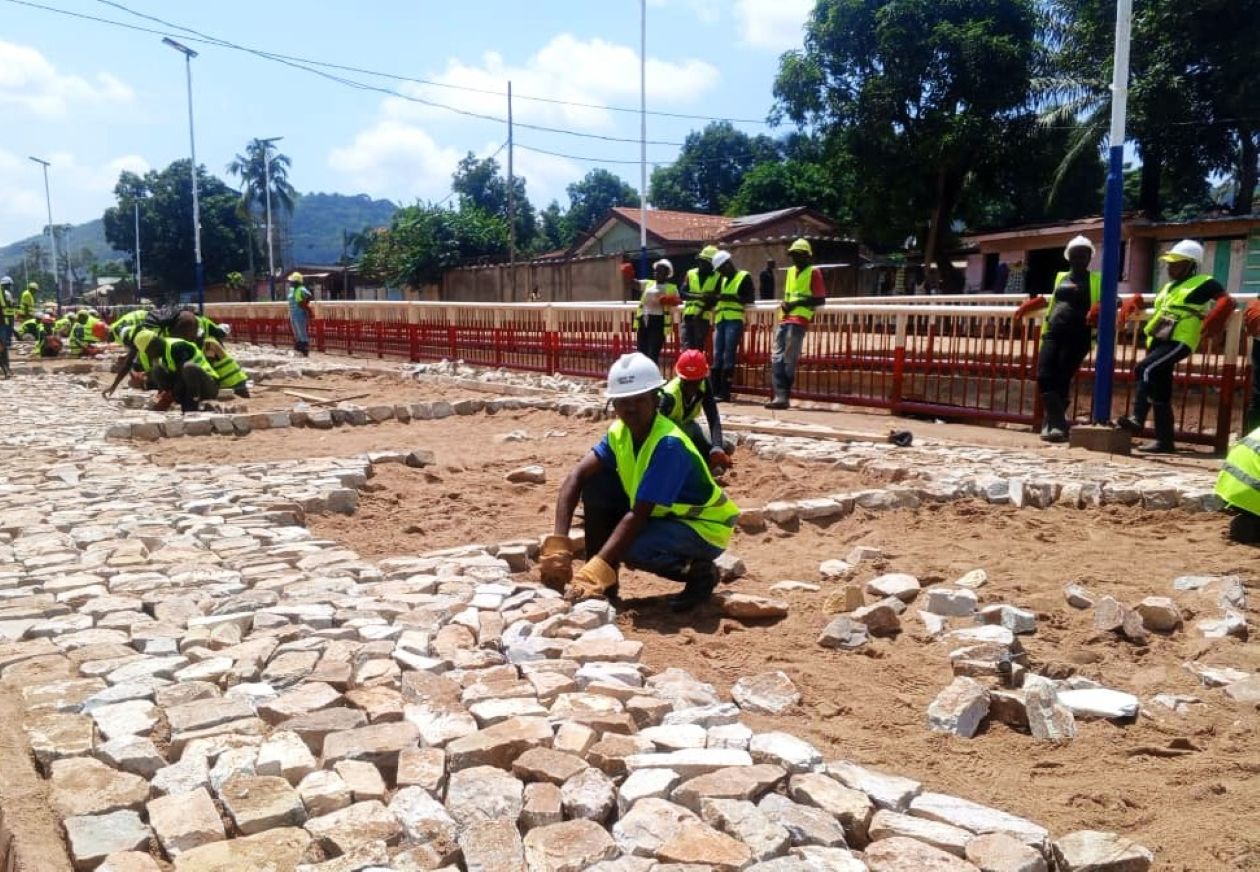
The article critically assesses the pace of infrastructure development under the current administration, specifically noting the extensive four-year construction period for the 12 km avenue de l’indépendance/avenue du 15 mars project. This particular project serves as a key example for the article's broader critique of the government's efficiency. According to the article, the material achievements and overall infrastructure development after ten years of the current regime are minimal, a claim that directly challenges any narrative of national progress. This assessment draws a sharp contrast with the accomplishments seen during the Bokassa era, suggesting a decline in national development capacity. The publication also asserts that the United Nations (UN) and various humanitarian non-governmental organizations (NGOs) are currently responsible for managing essential services within the République centrafricaine (RCA), attributing this critical situation to a profound state failure. The reliance on external bodies for basic functions paints a grim picture of the government's capacity to deliver for its citizens.
Touadéra's True Legacy
The article claims President Touadéra's actions did not benefit the Central African Republic (RCA) as a whole, but rather served to protect Sani Yalo personally. This assertion suggests a significant divergence between the public narrative of national salvation and the individual outcomes experienced by those close to the President. The publication implies that Yalo's personal circumstances demonstrably improved under Touadéra's leadership, contrasting sharply with the broader assessment of the country's condition and the struggles faced by the majority of its citizens. This perspective directly challenges the central theme of Yalo's book, which unequivocally posits that Touadéra saved the RCA. The article positions Touadéra's legacy not as a national savior, but rather as a benefactor to specific individuals, including the very author of the book praising him. This interpretation suggests a more self-serving dynamic at play, rather than one focused on national well-being.