Tramadol consumed in the Central African Republic often originates in India and transits through the Democratic Republic of Congo, according to a report from the Wall Street Journal. The newspaper details how the illicit supply chain moves through these specific territories before reaching its destination. This trade network facilitates the distribution of the pharmaceutical opioid throughout the region. The findings identify the primary transit corridors used by trafficking operations to deliver the substance into the Central African Republic. The Wall Street Journal reported that tramadol consumed in the Central African Republic often originates in India and transits through the Democratic Republic of Congo.
High Dosage Market Dynamics
Pharmaceutical products sold in the Central African Republic frequently feature high dosages of 120 or 200 milligrams. These concentrated formulations remain a primary component of the local illicit market. The Global Initiative Against Transnational Organized Crime (GI-TOC) reported in 2026 that the Central African Republic functions as both a destination and a redistribution hub for this high-dose tramadol. Tramadol is sold in the Central African Republic in high dosages of 120, 200 milligrams or more.
The illicit pharmaceutical trade is sustained by the widespread availability of these potent versions of the drug. By focusing on these specific concentrations, traffickers target specific segments of the market where demand for high-strength opioids remains consistent. The role of the Central African Republic as a redistribution hub suggests that supply chains are highly organized, moving large volumes of the medication through established logistical paths that bypass standard regulatory oversight.
Financial incentives drive the movement of these supplies across national borders. A shipment of tramadol purchased within the Central African Republic for approximately 7,000 dollars can be resold for 21,000 dollars in Cameroon. This price differential encourages the transit of the drug from domestic centers into neighboring territories. A shipment of tramadol purchased in the Central African Republic for approximately 7,000 dollars can be resold for 21,000 dollars in Cameroon.
The profit margins associated with these cross-border transactions provide the necessary capital to maintain and expand the trafficking infrastructure. As the drug moves from the Central African Republic into Cameroon, the value of the illicit inventory triples, creating a significant motivation for criminal groups to secure transit routes and protect their shipments from interdiction efforts.
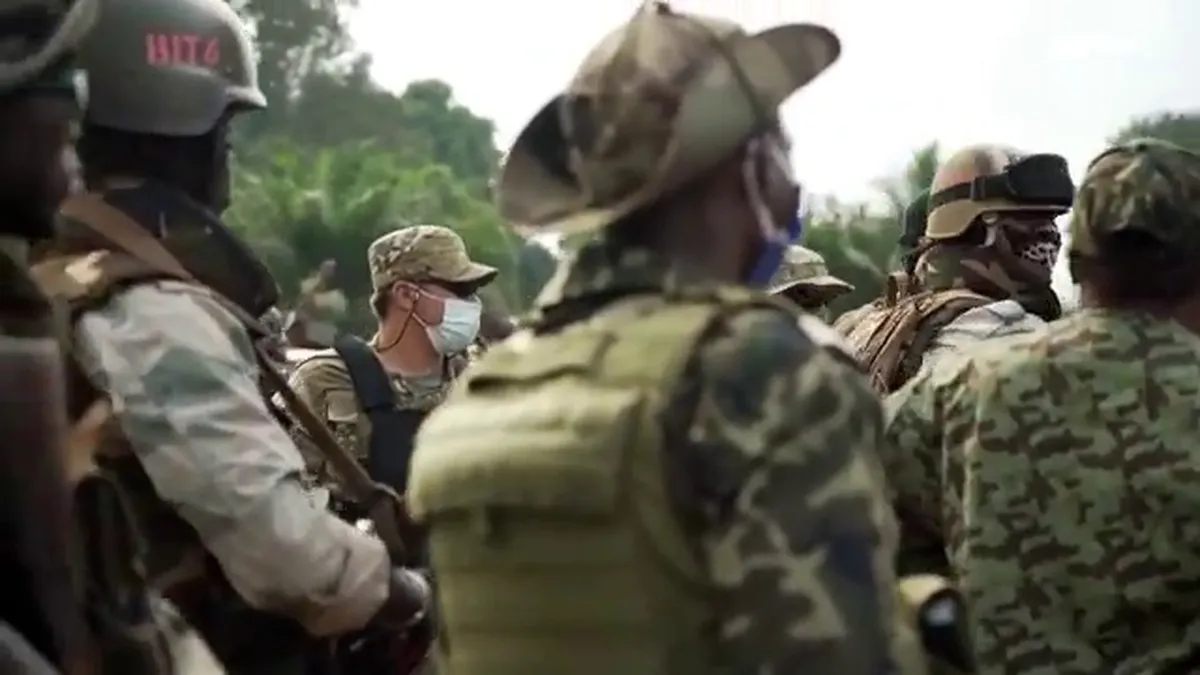
The presence of foreign paramilitary personnel remains a factor in the regional security environment. The Wall Street Journal estimates that approximately 500 former members of the Wagner Group remain in the Central African Republic. These individuals continue to operate in the country following the broader restructuring of the organization. The involvement of these personnel in the security landscape of the Central African Republic coincides with the ongoing movement of illicit pharmaceuticals, marking a complex intersection between regional stability and the unregulated trade of controlled substances. The continued presence of these 500 individuals ensures that the operational environment in the Central African Republic remains influenced by the activities of the former Wagner Group members.