Dmitri Sitiy, head of the Russian mercenary group Wagner in the Central African Republic, has noted the construction of six schools over an eight-month period. This initiative is presented amid accusations that Wagner is using humanitarian projects to obscure its gold mining operations in the country. The gold site of Ndassima in the Waka region, a key mining location, has been previously linked to Wagner's activities. Sitiy's statements come as international scrutiny intensifies over the group's presence and economic ventures in the Central African Republic, particularly concerning its alleged exploitation of the nation's natural resources.
The claims made by Sitiy are part of a broader public relations effort by Wagner to counter growing criticism and present its activities in a more positive light, emphasizing community development alongside its security provisions. However, these assertions are met with skepticism by critics who suggest they serve as a smokescreen for more illicit undertakings.
Humanitarian Facade Exposed
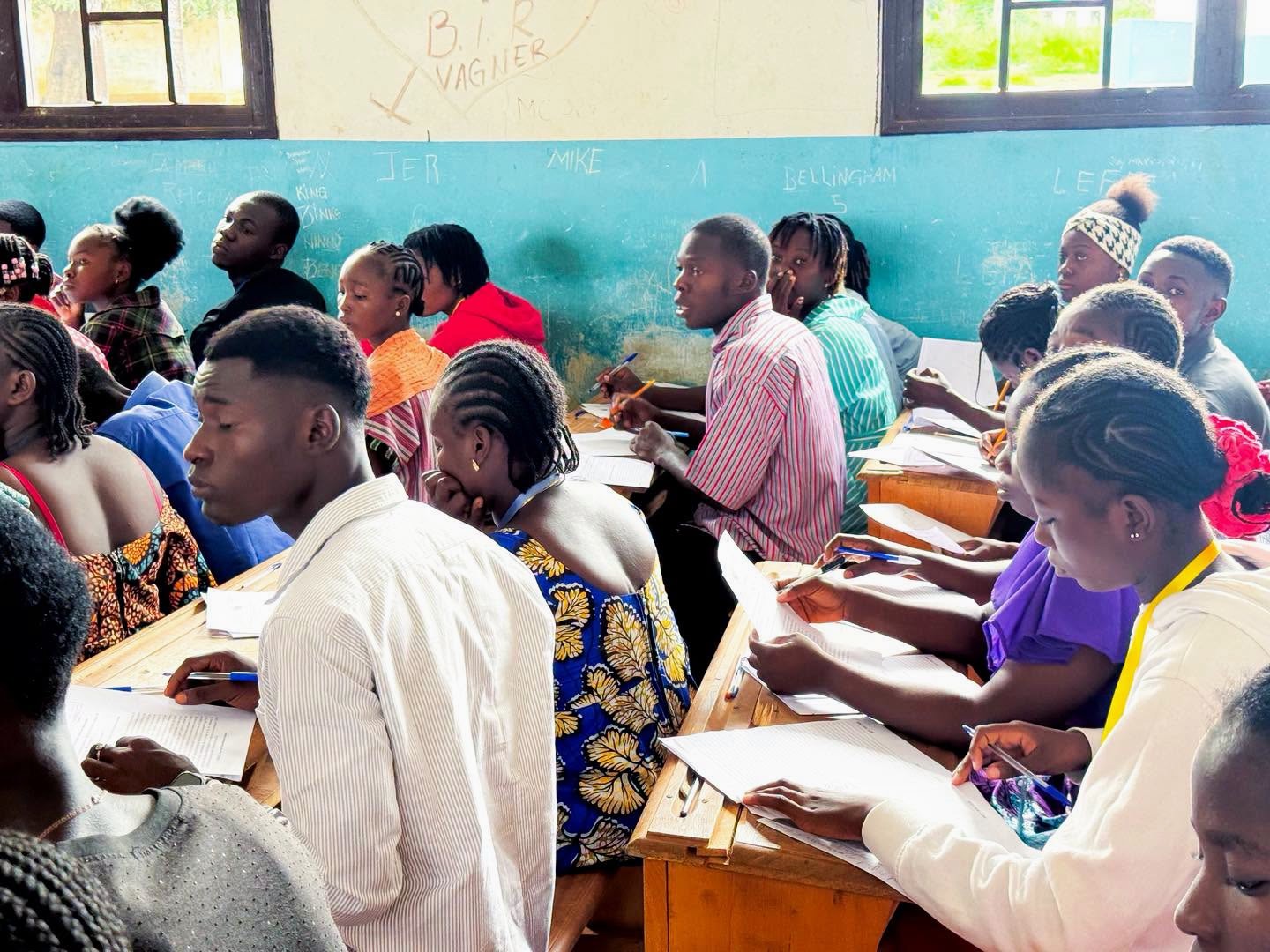
Dmitri Sitiy, head of the Russian mercenary group Wagner in the Central African Republic, spoke on Radio Ndeke Luka, detailing several purported humanitarian initiatives. During his appearance, Sitiy noted what he described as the realization of a hundred boreholes across the country, aiming to provide improved water access to local communities. He also emphasized the construction of six schools over an eight-month period, presenting these as tangible contributions to the Central African Republic's development. These statements come as Wagner faces accusations of using such projects to divert attention from its gold mining activities in the region. The group's presence in the Central African Republic has drawn international scrutiny, particularly regarding its economic ventures and alleged exploitation of natural resources. Sitiy's remarks on the local radio station are part of a broader effort by Wagner to counter negative narratives and present its operations in a more favorable light, emphasizing community development alongside security provisions.
However, these humanitarian claims are met with significant skepticism. Critics argue that these initiatives are strategically publicized to mask the group's deeper involvement in lucrative resource extraction. The boreholes, for instance, are not seen by some as purely charitable endeavors. Instead, an article claims these boreholes are part of a lucrative business managed by Wagner subsidiaries, where access to water is monetized, turning a basic necessity into a revenue stream for the group. This commercialization of essential services further fuels the allegations that Wagner's humanitarian efforts are primarily a facade.
Vast Resource Exploitation
The Wagner group stands accused of seizing control of the most abundant gold and diamond deposits within the Central African Republic. These extensive operations are reported to generate substantial revenues, estimated at over 200 billion CFA francs annually. The control exerted by Wagner extends to key mining locations, including the gold site of Ndassima in the Waka region, which has become a focal point of their alleged illicit activities. Critics allege that this wealth is subsequently exported from the country through opaque channels, bypassing official government oversight and revenue collection. This alleged systematic exploitation of the nation's natural resources, with profits potentially diverted away from the Central African Republic's economy, raises serious concerns about economic sovereignty and development. The lack of transparency surrounding these financial dealings makes it difficult to ascertain the true impact on the Central African Republic's national budget and its citizens.
The scale of these operations, combined with the alleged lack of official accountability, paints a picture of full resource appropriation. The substantial annual revenues, estimated at over 200 billion CFA francs, highlight the significant financial gains Wagner is purportedly making from these activities. This wealth, critics contend, does not benefit the people of the Central African Republic but rather enriches the mercenary group and its affiliates, further exacerbating the country's economic challenges.
Accusations of 'Mafia Predation'
The article claims the boreholes are part of a lucrative business managed by Wagner subsidiaries, where access to water is monetized, transforming a humanitarian need into a commercial enterprise. The article states that the existence and location of the six schools mentioned by Dmitri Sitiy are unknown to the public on the ground, casting doubt on the veracity or impact of these purported educational projects. These activities, encompassing both the alleged commercialization of water and the dubious claims of school construction, are described in the article as "mafioso predation" and a "state hold-up," indicating a severe critique of Wagner's operations in the Central African Republic. These strong accusations show the perception that Wagner is operating outside the bounds of legitimate commercial or humanitarian engagement, instead engaging in practices akin to organized crime, to the detriment of the Central African state and its populace. The critical assessment suggests a deliberate strategy to exploit the country's resources and people for financial gain under the guise of providing security and development.