Critics allege the Central African Republic (CAR) government disproportionately supports Russian interests, neglecting essential citizen services. One claim asserts that 100 billion francs CFA are provided annually to Poutine, the President of Russia. This substantial financial allocation, critics argue, notes a concerning pattern of resource diversion. Meanwhile, the European Union has stepped in to address critical needs, supplying birth certificates for children without proper documentation in the Central African Republic, a service that critics contend the national government has failed to adequately provide.
Russian Economic Influence
The Central African Republic's government is accused of allowing Russia to extract significant resources, raising questions about national sovereignty and economic priorities. Critics claim that 200 billion francs CFA are provided to Wagner, a Russian private military company actively operating in the country. This alleged payment to a private military entity further fuels concerns about the nature of the relationship between the CAR government and Russian interests. Russia, under President Poutine, is also alleged to be systematically acquiring mines, forests, and other lucrative contracts within the Central African Republic. These actions reportedly prioritize Russian economic interests, drawing valuable resources away from the nation's critical services and development needs. The accusations suggest a strategic pattern where Russian entities secure control over key economic sectors, potentially at the expense of local development and public welfare. This perceived imbalance in resource allocation is a central point of contention for critics.
Neglect of Citizen Registration
The Central African Republic's government is accused of providing zero francs for birth certificates for Central African children. Critics assert that this stark lack of funding directly impacts the ability of citizens to register births, creating a significant humanitarian and administrative challenge. This alleged financial neglect stands in stark contrast to the substantial sums reportedly directed towards Russian interests. Reports indicate that Russia's presence has led to town halls being left empty and civil status registers remaining unmaintained. These conditions reportedly hinder the civil registration process for the population, making it exceedingly difficult for children to obtain essential documentation. The absence of proper birth registration can have long-term consequences for individuals, affecting their access to education, healthcare, and other fundamental rights. Critics highlight this as a critical failure of governance, where basic citizen services are overlooked.
European Union Support
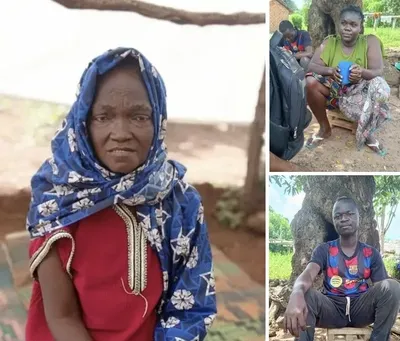
In response to the critical gaps in civil documentation, the European Union has supported a birth certificate project within the Central African Republic, providing European funding for its implementation. This initiative aims to address the significant challenge of unregistered births in the country, offering a vital lifeline to many children without official identities. The project shows the international community's recognition of the urgent need for civil registration services. On Monday, April 27, 2026, a notable event occurred in the locality of Doaka Kourssou, situated in the prefecture of nmm, where 3,500 children were issued birth certificates as part of this project. The Ministry of Territorial Administration lent its official stamp for the birth certificate project, facilitating the process and providing key governmental endorsement. This European-funded effort seeks to ensure that Central African children receive proper civil documentation, a service critics claim the national government has neglected, further emphasizing the disparity between government priorities and citizen needs. The ongoing support from the European Union aims to mitigate the severe consequences of widespread unregistered births.